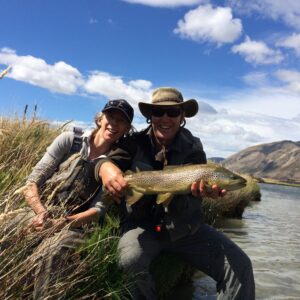
One of the many unexpected delights of my mahseer fishing trip to India last year was discovering that there’s some wonderful trekking in northern India. By the end of that week, I’d hatched a plan to return. No fishing this time, but to explore the mystically named Dayara Bugyal – an area of high-altitude meadow in India’s Himalayan foothills.
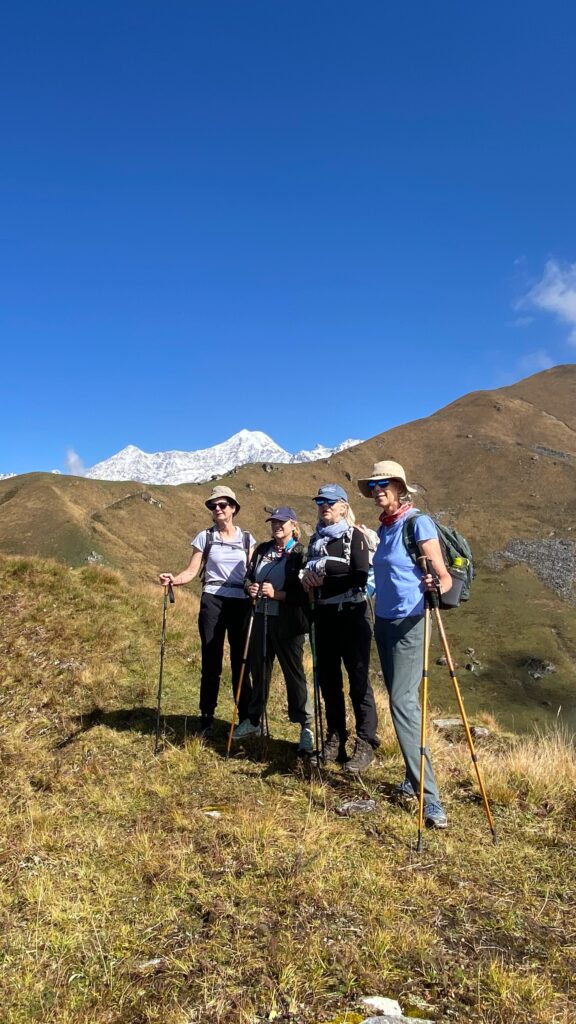
Three intrepid friends agreed to join me on what turned out to be a glorious adventure, walking ancient mountain trails amid spectacular views.
We left with the usual dire warnings about Delhi belly and the need to pack industrial quantities of Imodium. I was, however, utterly confident that the superb team at Himalayan Outback would ensure the safety and wellbeing of four women in their seventh decade. And so it proved. With Pritam (seconded, along with the chef and a couple of others, from the fishing camp) in charge, all we had to do was pack our bags each day and make sure we didn’t lose anything.
We had a ‘soft’ start at a charming guest house in Barsu, a picturesque village about an hour from Uttarkashi and six hours from Dehradun airport, where we’d flown from Delhi.
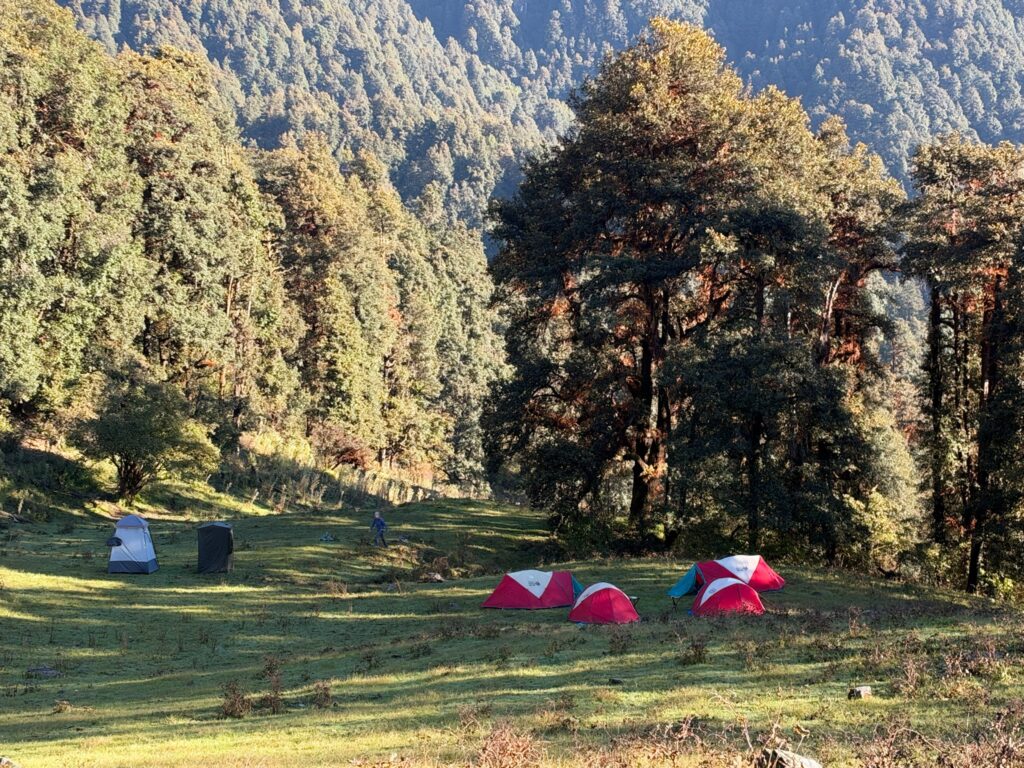
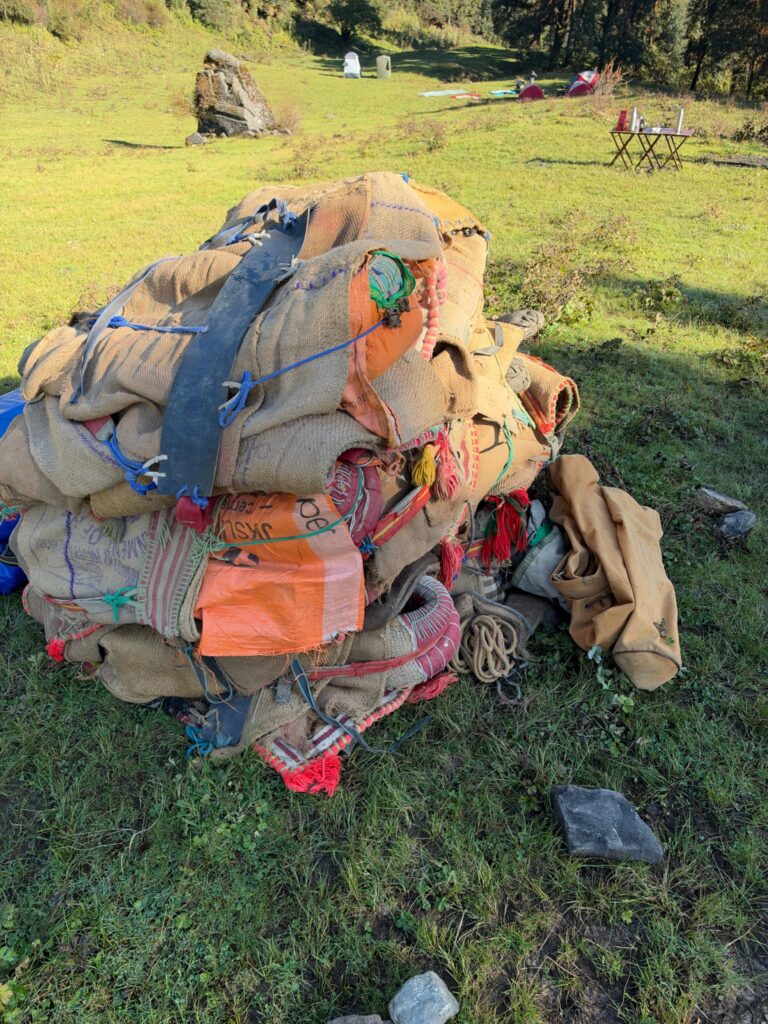
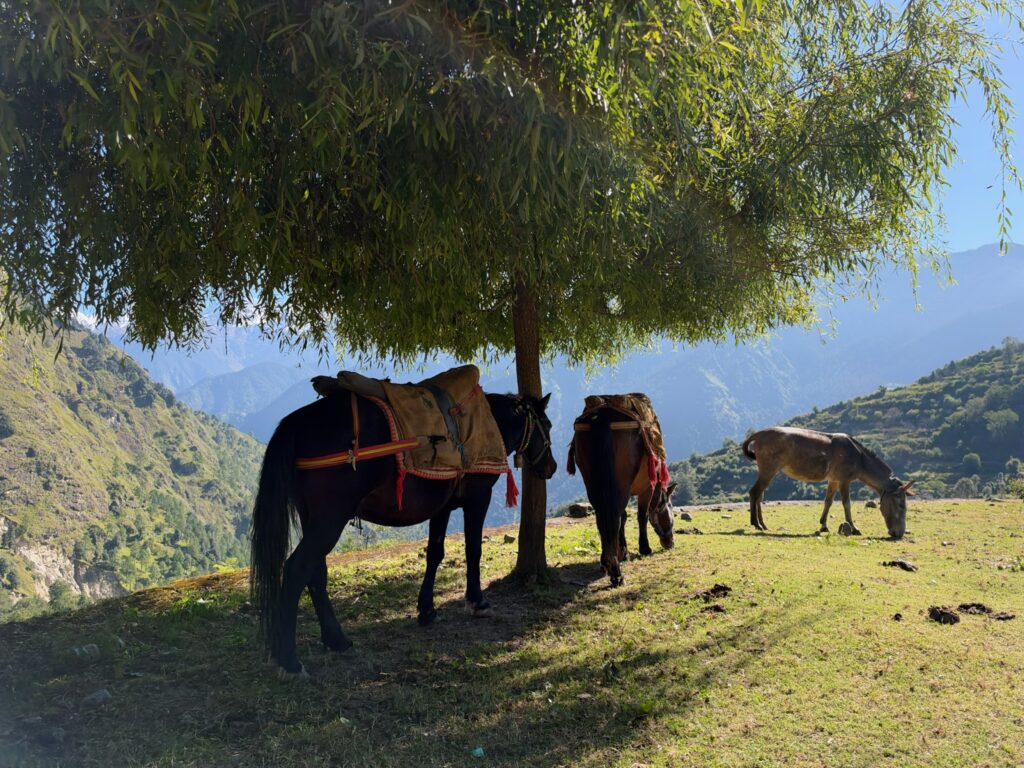
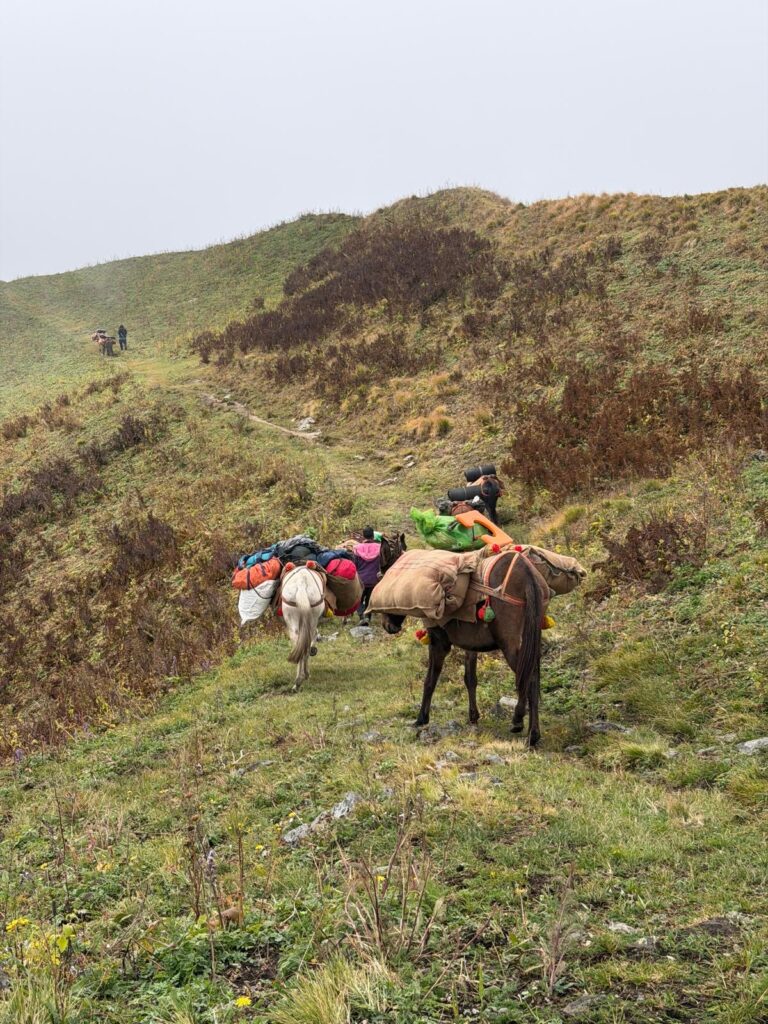
We awoke to gorgeous blue skies, snowy mountains, a huge pile of kit and 13 mules grazing nearby. Adorned with bells and colourful headcollars, these good-natured beasts were to carry the tents, food and myriad supplies needed for the next six days. The jigsaw puzzle of loading them was well underway by the time we set off, each with just a small day pack.
Progress was steady as we walked out of the village and began to climb, with even the relatively modest altitude of 2,200 metres requiring regular stops to catch our breath. This first day was a fairly gentle start, winding through rich coniferous forests on age-old shepherd paths.
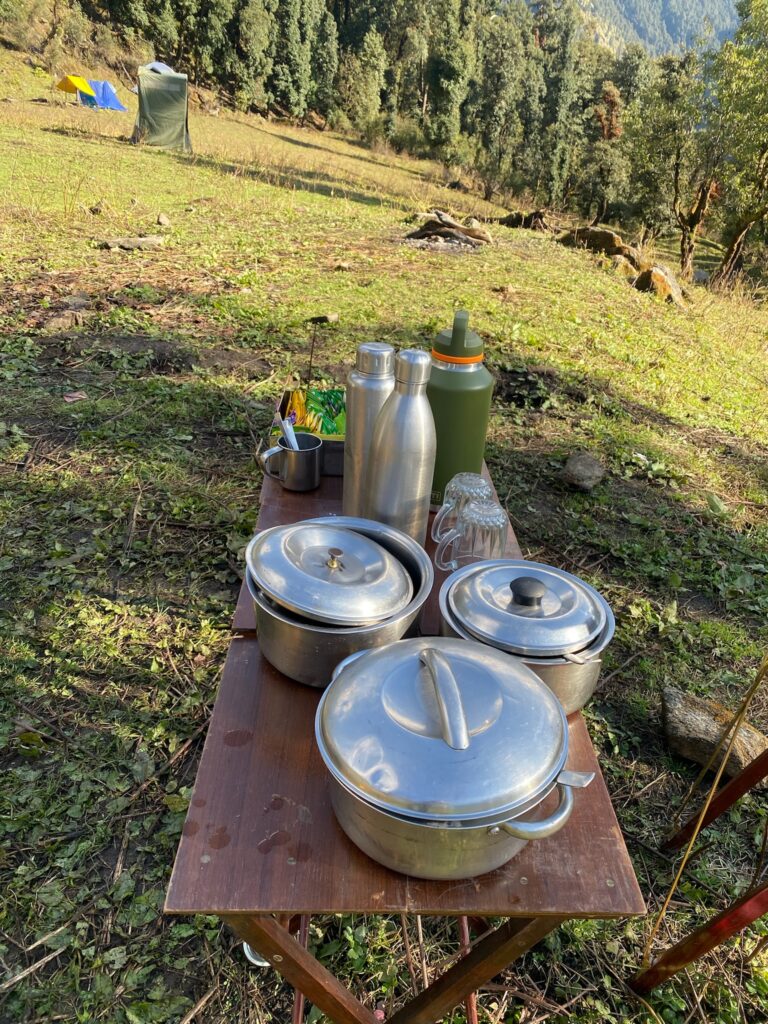
The mule train soon passed us and, by the time we arrived at the first campsite, everything was set up. Four sturdy tents, comfortable foam mattresses and newly sourced sleeping bags that would keep you warm in the Arctic. The ablution facilities caused much mirth but were basic and efficient. Out of his kitchen tent, the chef produced a constant stream of simple but delicious fare, served in a dining tent laid with pretty block-print cloths and napkins.
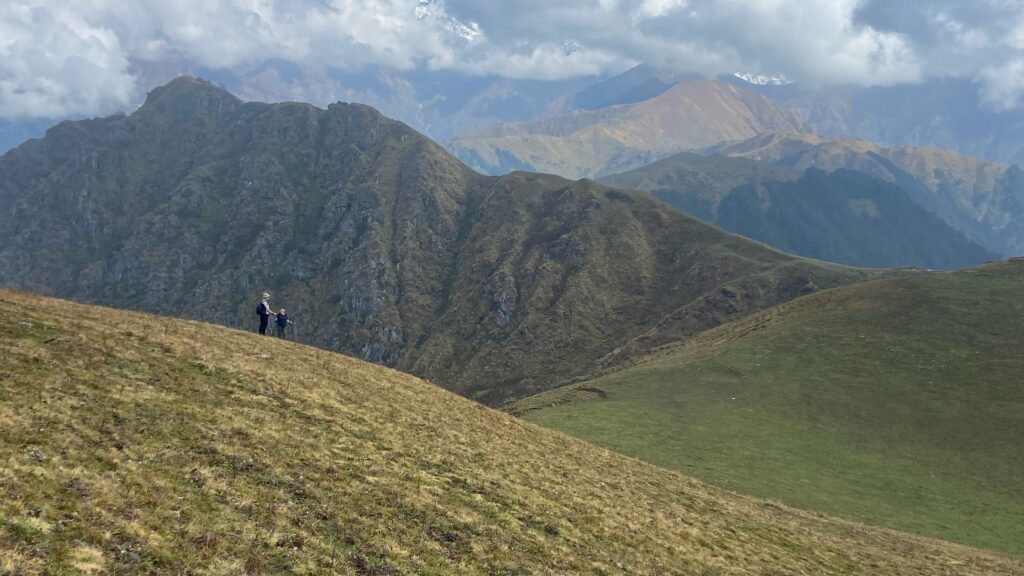
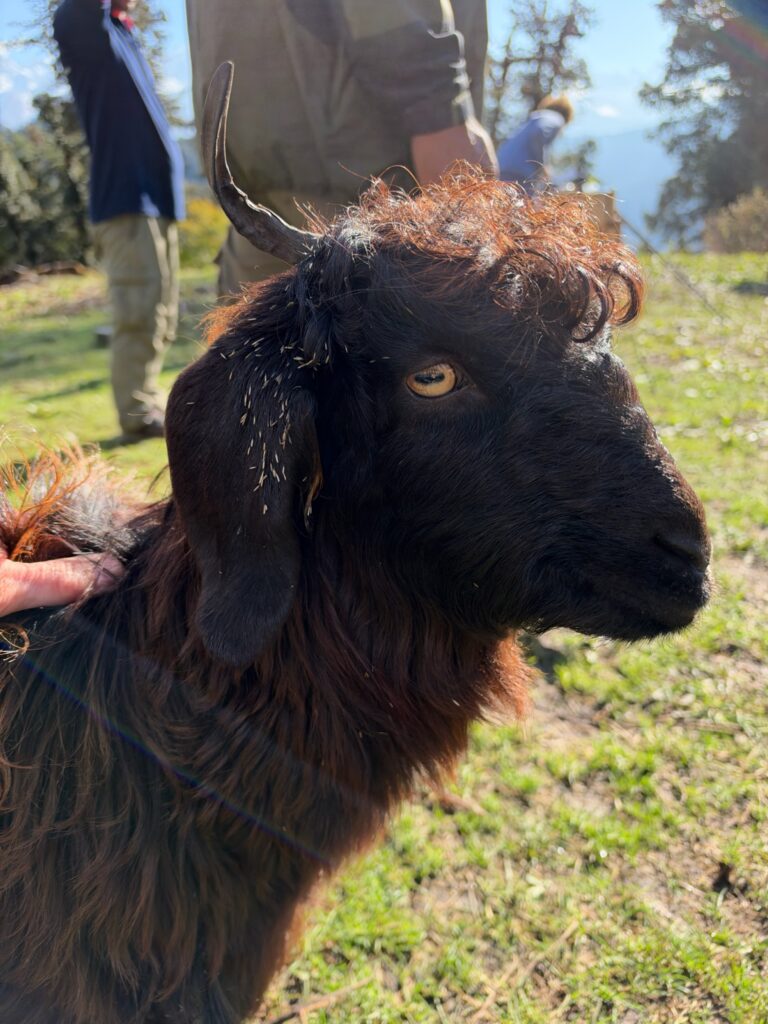
Over the next six days, we walked and camped amid some of the most stunning scenery I’ve been privileged to see. We passed shepherds and their flocks of goats and sheep meandering through the meadows, marvelled at magnificent snow capped peaks, watched monkeys leap through the high forest canopy and surprised fair few iridescent monal (a relative of our pheasant) into flight. Among other animal antics were the two mules that took themselves back home one night and had to be retrieved, and the goat that joined us for a few days, browsing the camp for things to eat. Napkins seemed high up on his menu!
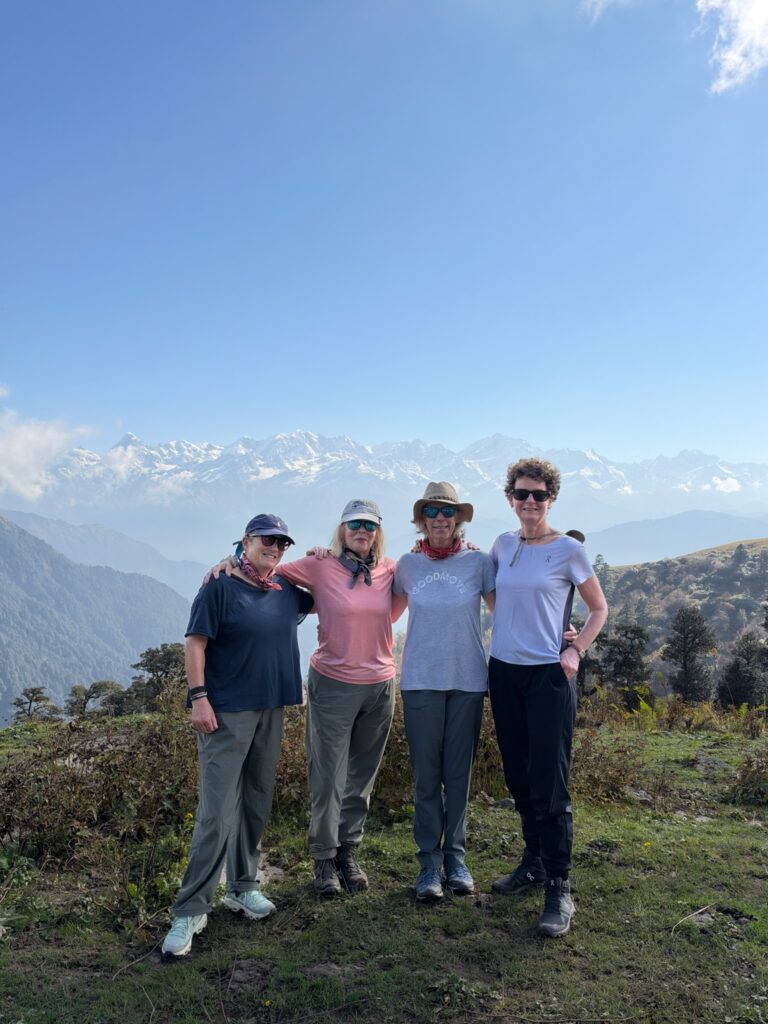
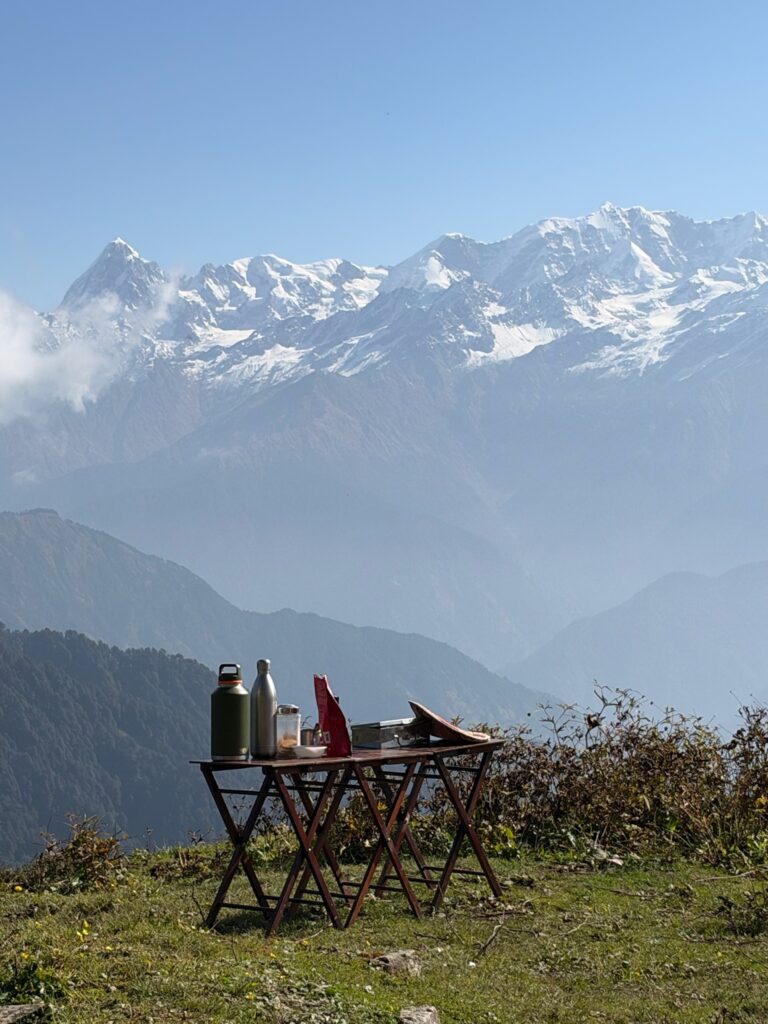
We survived a couple of storms – hail in the mountains is quite something, barely saw another human and shared some hilariously funny moments, both among ourselves and with our wonderful guides. There’s something very liberating about living out of a small bag. Empty its contents into the tent at night, shove them all back in the morning. Phone signal was patchy, but that was a joy too. There aren’t many places today where you can properly escape the day-to-day of ‘real life’.
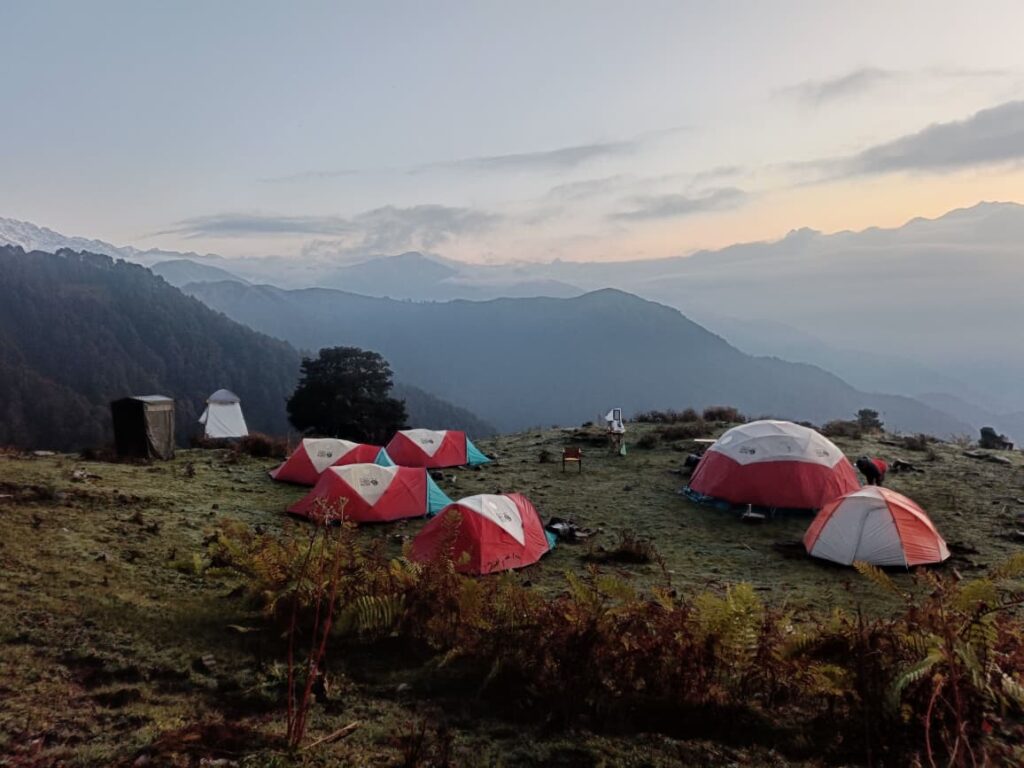
Yes, some of it was quite tough. There were steep, high sections where we struggled, but it’s amazing what a little gentle coaxing, a bag of nuts and some chocolate will do. We all reached the two highest peaks, though sadly both were shrouded in cloud, leaving us to imagine the views we’d have enjoyed in the sunshine. The blurb I’d read beforehand described it as a challenge for mind and body, and it certainly was. But the views and mountain scenery made every step worthwhile. By the time we eventually meandered back down to Barsu, we’d shared a proper adventure to dine out on for some time to come.
I’ve worked with many travel companies over the years, both in Africa and in my role at Aardvark McLeod. I have to say that Himalayan Outback is one of the very best. They are a small team, most of whom have been there for many years, and they really know what they’re doing. We were well briefed and equipped, nothing was too much trouble, and they adapted as we went along to suit what we were comfortable doing. We were looked after perfectly, with Imodium barely mentioned!
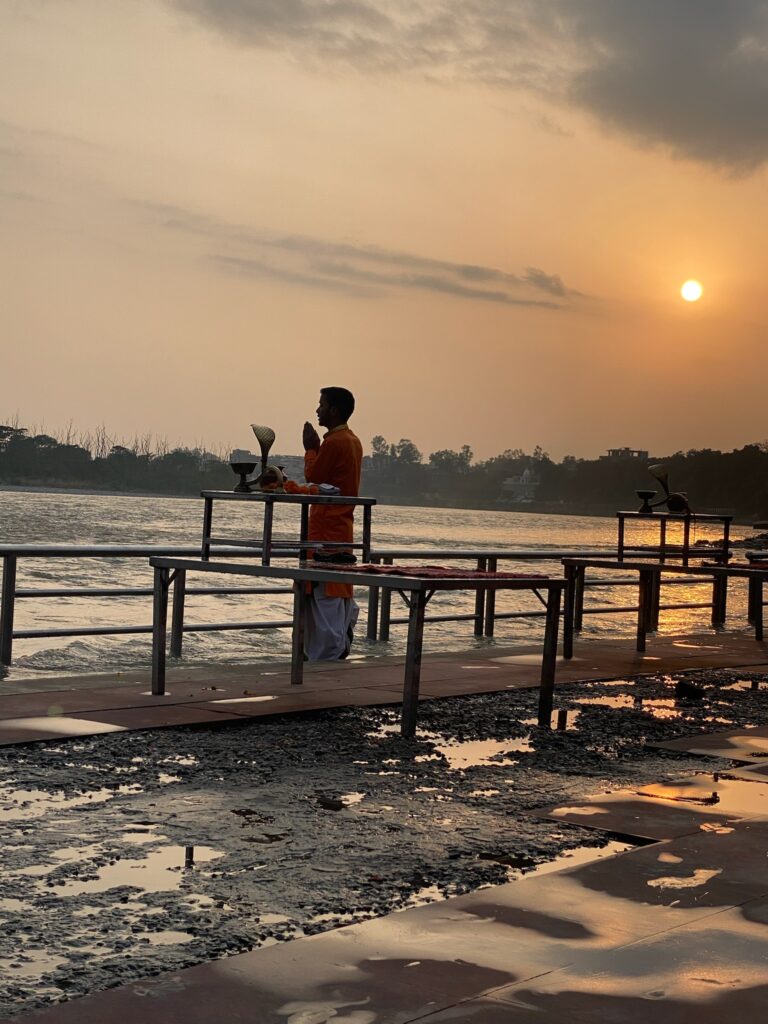
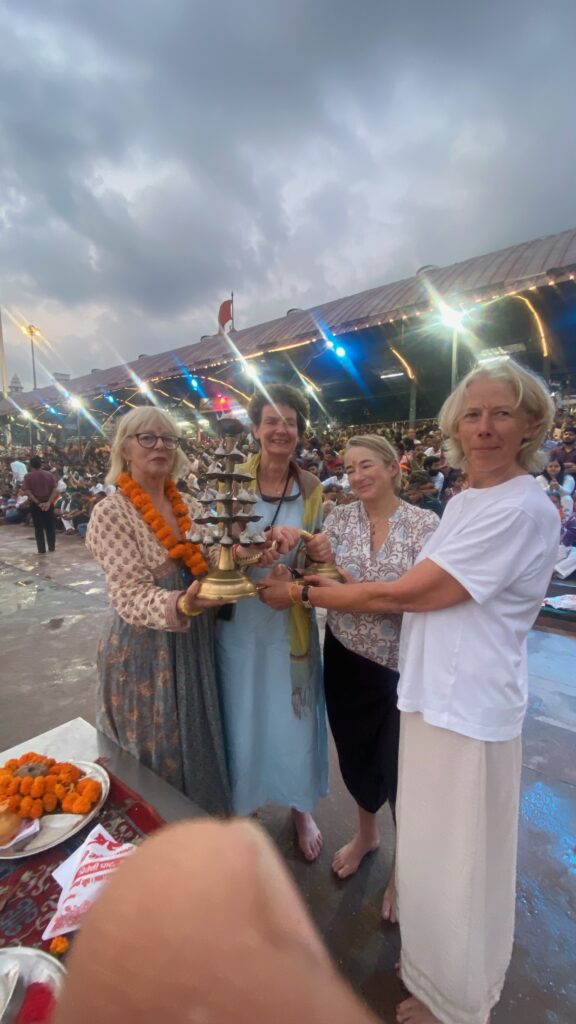
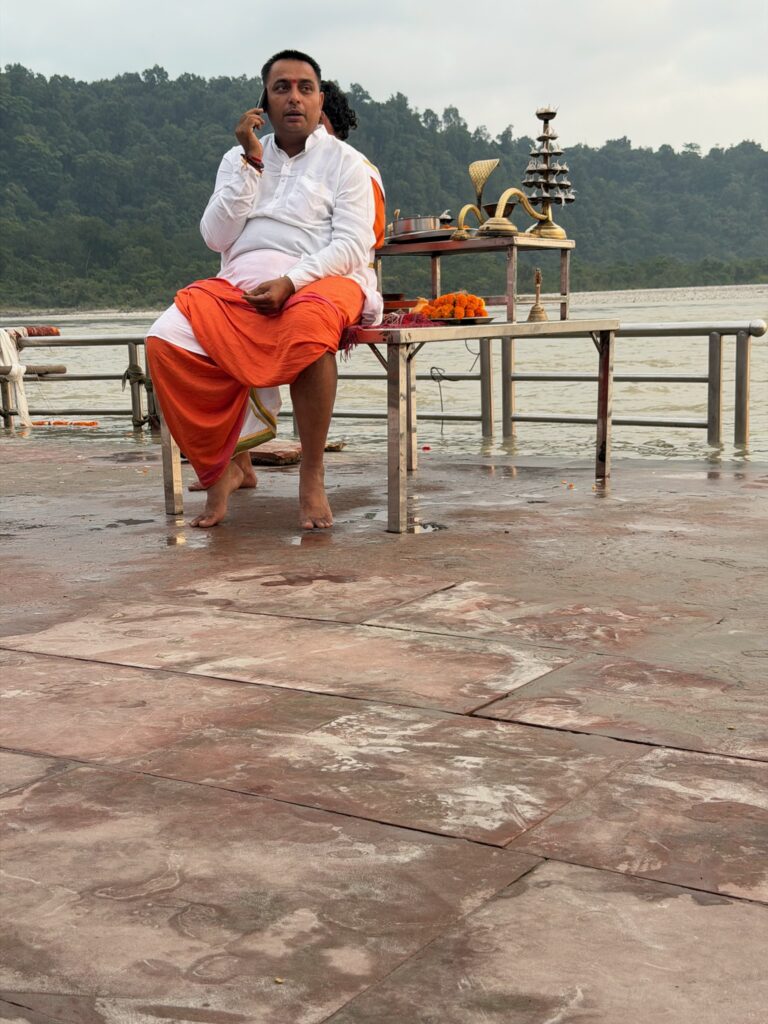
India is a long way to travel just for trekking, so it was suggested we spend a couple of nights in Rishikesh on our way home. The contrast couldn’t have been greater. We’d come from peace and tranquility and were hurled into a maelstrom of humanity, noise and chaos. But that’s what makes the country so appealing. A raft trip down the Ganges offered another chance to immerse ourselves in nature, while a Hindu blessing at the Ganga Aarti – a daily evening ritual of fire and mantras held along the banks of the sacred river – seemed a fitting end to a truly memorable trip.
For further information on trekking or fishing for golden mahseer in India please contact Charlotte Chilcott or Charlotte Opperman or call the office on +44 (0) 1980 847389