
Across the rivers of southern Africa, yellowfish embody power and athleticism. Indigenous to the waterways of South Africa and Lesotho, these golden-scaled fish have become icons of the region’s freshwater ecosystems and one of Africa’s most exciting native sportfish.
Among them, two species stand above the rest in both reputation and size: the smallmouth yellowfish (Labeobarbus aeneus) and the largemouth yellowfish (Labeobarbus kimberleyensis). Together they represent the heart of southern Africa’s yellowfish story, a story that stretches across mountain streams, vast river systems, and deep cultural ties to the landscapes they inhabit.
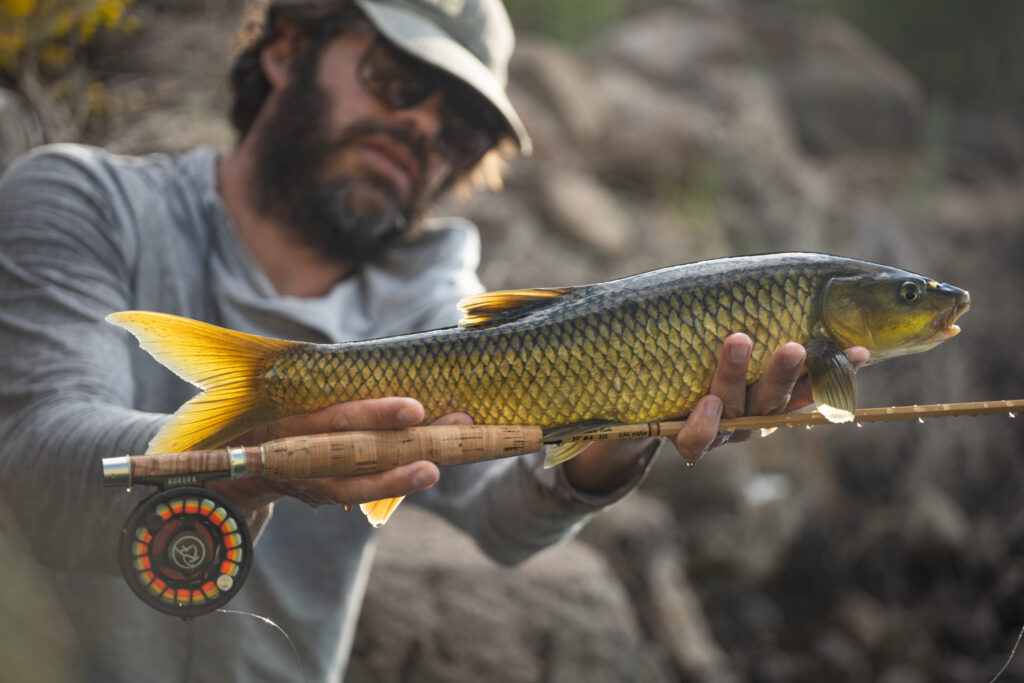
Yellowfish belong to the Cyprinidae family, one of the largest freshwater fish families on earth. In South Africa alone there are six recognised “true” yellowfish species, all belonging to the genus Labeobarbus.
These include: smallmouth yellowfish, largemouth yellowfish, Clanwilliam yellowfish, Natal yellowfish, bushveld smallscale yellowfish, lowveld largescale yellowfish
Each species occupies its own ecological niche within southern Africa’s diverse river systems. While these six are native to South Africa, many additional species of yellowfish occur across the African continent, particularly within the greater Labeobarbus lineage, making the group one of Africa’s most widespread freshwater fish complexes.
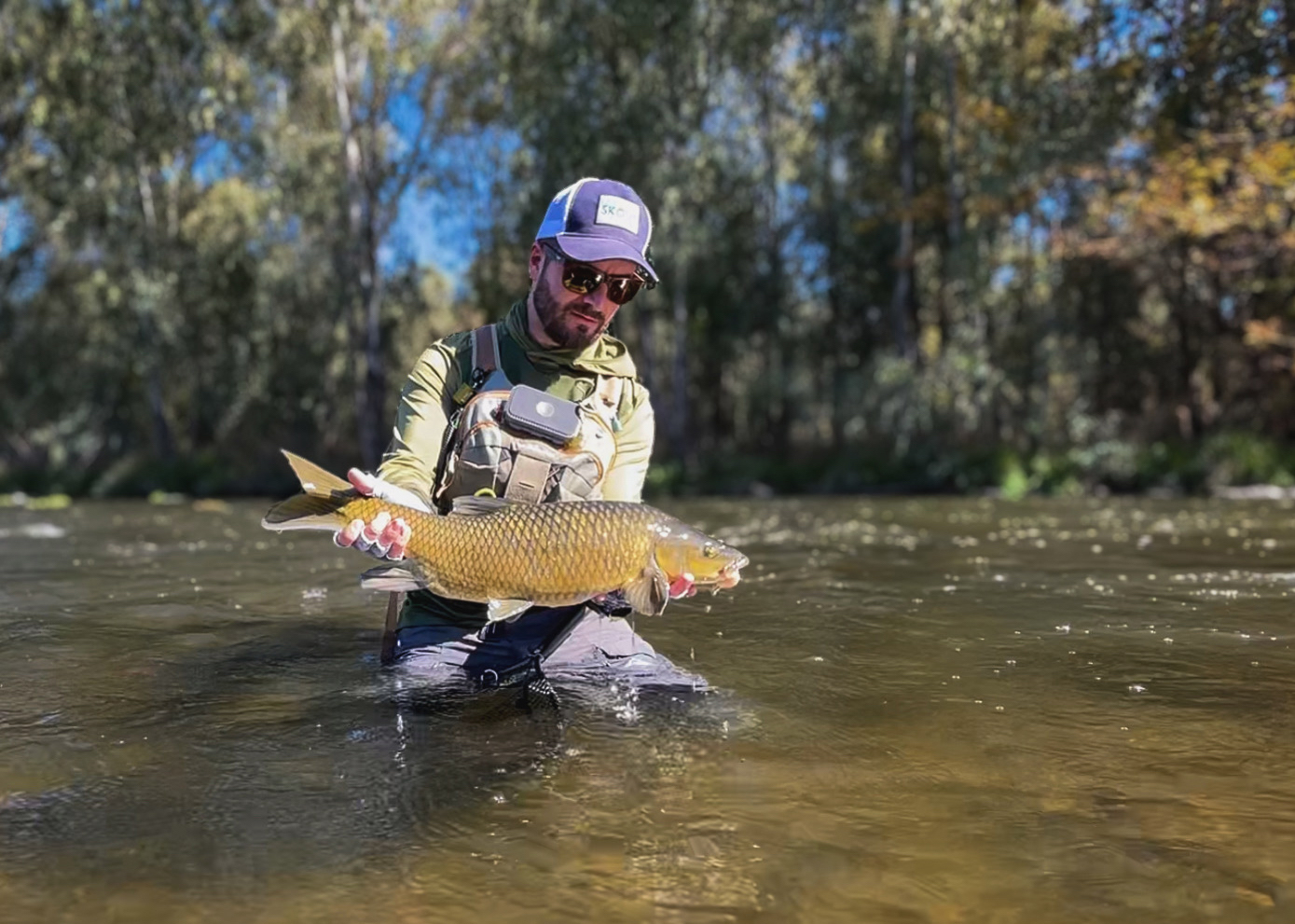
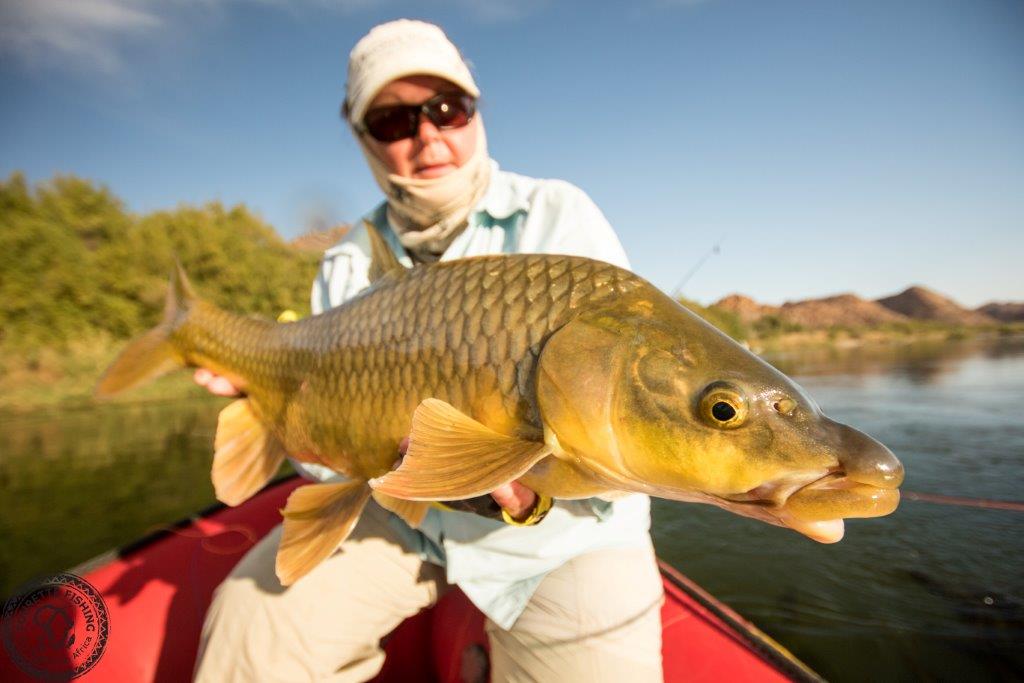
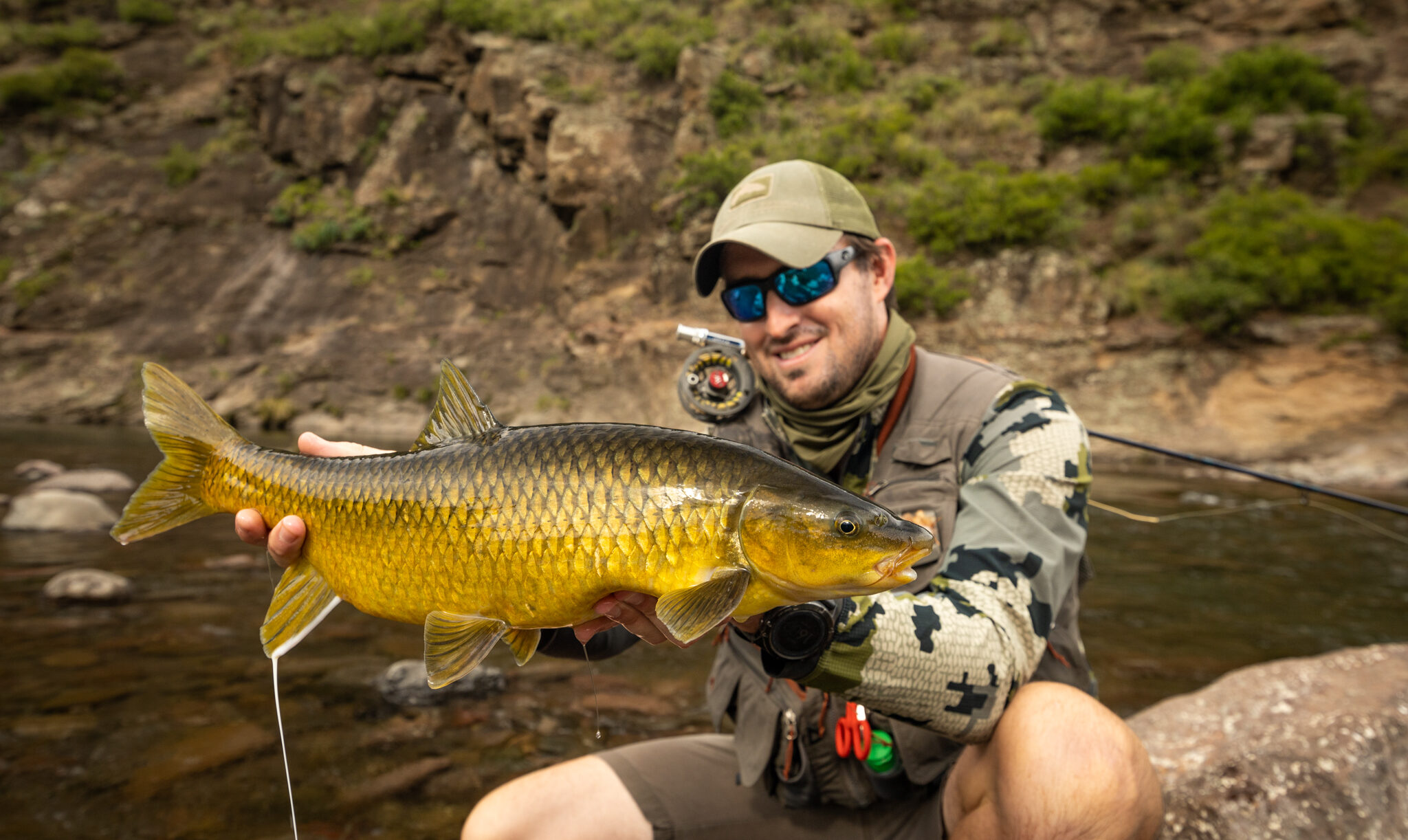
The smallmouth yellowfish is perhaps the most widespread and well-known of the group. Found throughout Orange-Vaal river system, this species is iconic among fly anglers in South Africa’s economic heartland of the Highveld. Built for speed and endurance, the smallmouth is a powerful swimmer perfectly adapted to fast-moving rivers. Its diet is largely opportunistic, feeding on aquatic insects, small crustaceans, and drifting food items carried by the current. Although typically smaller than its largemouth cousin, the smallmouth is revered for its fighting ability and resilience, making it a perfect quarry for a fly rod.
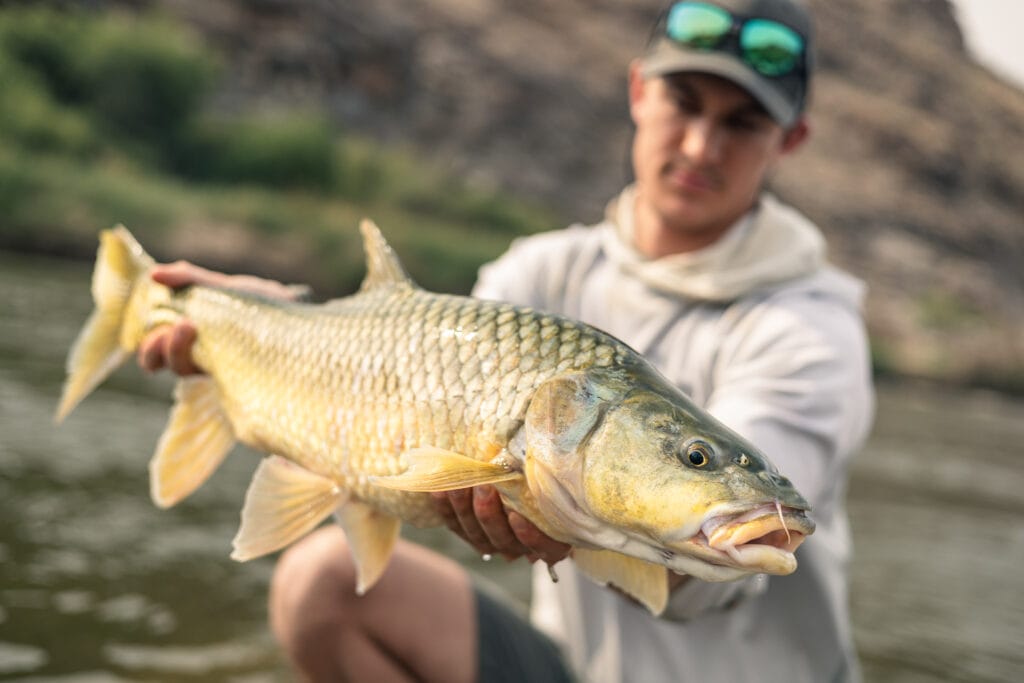
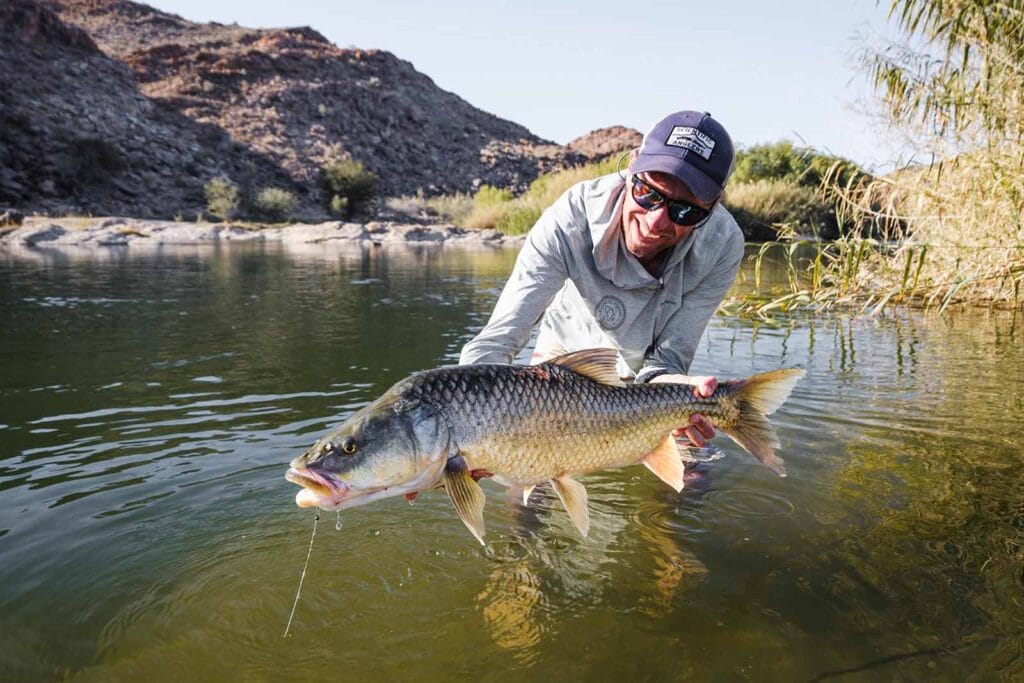
Where the smallmouth is agile and energetic, the largemouth yellowfish is the heavyweight predator of southern African rivers. This species can grow to over 20 kilograms, making it one of the largest indigenous freshwater fish in the region. Unlike the insect-feeding smallmouth, the largemouth is primarily piscivorous, preying on smaller fish, and other aquatic life. Its titular large mouth, muscular build, and powerful tail allow it to dominate deeper pools and slower sections of rivers of the Orange–Vaal system. Despite their size and status, the species is considered near threatened, and due to being apex predators their population density is low, highlighting the importance of habitat protection and responsible fisheries management.
Beyond the two giants, southern Africa hosts several remarkable yellowfish species, each tied to unique landscapes and river systems. The Clanwilliam yellowfish, for example, is endemic to the Olifants–Doring river system in South Africa’s Western Cape and is considered a species of conservation concern.
Further east, the Natal yellowfish inhabits rivers such as the Tugela and Umzimkulu in KwaZulu-Natal, thriving in waters that stretch from the foothills of the Drakensberg down to coastal plains.
Meanwhile, the smallscale and largescale yellowfish of the Bushveld and Lowveld regions occupy warmer river systems in the northern parts of the country, adding further diversity to the group.
While South Africa and Lesotho host some of the best-known yellowfish species, the broader Labeobarbus lineage spans much of Africa. Rivers from Ethiopia to the Congo basin contain their own variations of these powerful cyprinids, each adapted to local environments.
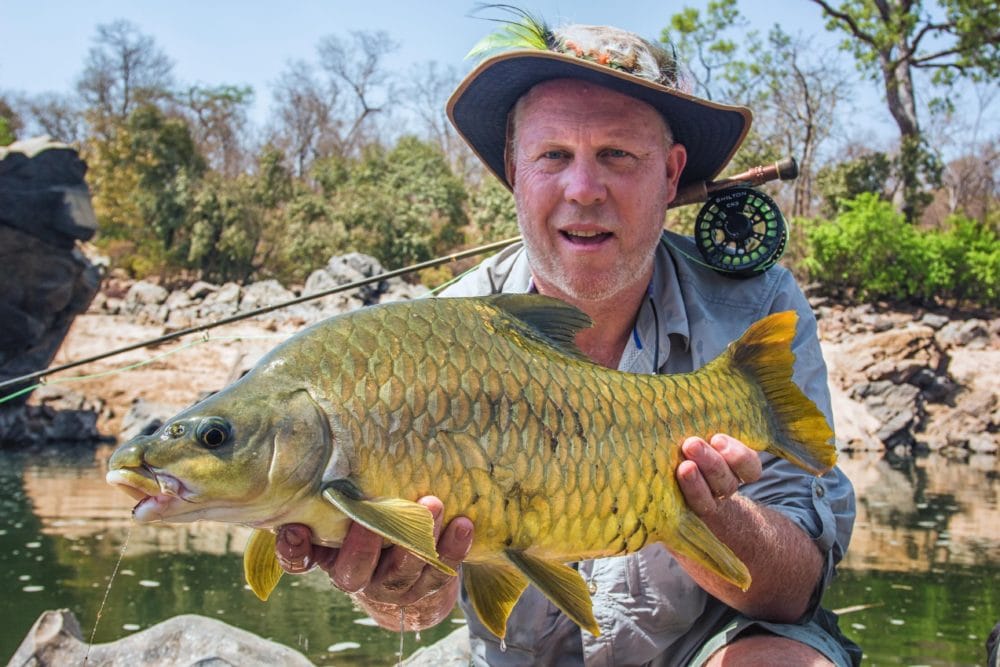
This continental distribution makes yellowfish not just a regional curiosity, but part of a much larger African freshwater story, one shaped by ancient river systems, evolving landscapes, and remarkable biodiversity.
Yellowfish are found across Africa, with South Africa and Lesotho being the best places to catch them.
Read Alex Jardine’s trip report from South Africa’s Orange River.
To discuss fishing for yellowfish, please contact Alistair Routledge or Alex Jardine or call the office on +44 1980 847389.
About the author: Alistair Routledge