Three weeks can make an enormous difference in an Icelandic salmon season, and that has certainly been the case during the first half of July. After a hesitant opening, salmon fishing across much of the country has gathered real momentum, with fresh fish continuing to enter the rivers on almost every tide. Rather than a single dramatic influx, the season has developed steadily, with consistent runs of both multi-sea-winter salmon and the first significant waves of grilse now spreading throughout many of Iceland’s premier rivers. Recent rainfall has provided timely lifts in water levels without causing prolonged flooding, while cool water temperatures have maintained excellent fishing conditions. Further rain is forecast for the next 10 days. The result has been a marked improvement in catches across much of the country, with the latest national statistics showing almost every major salmon river now ahead of the same point last season.
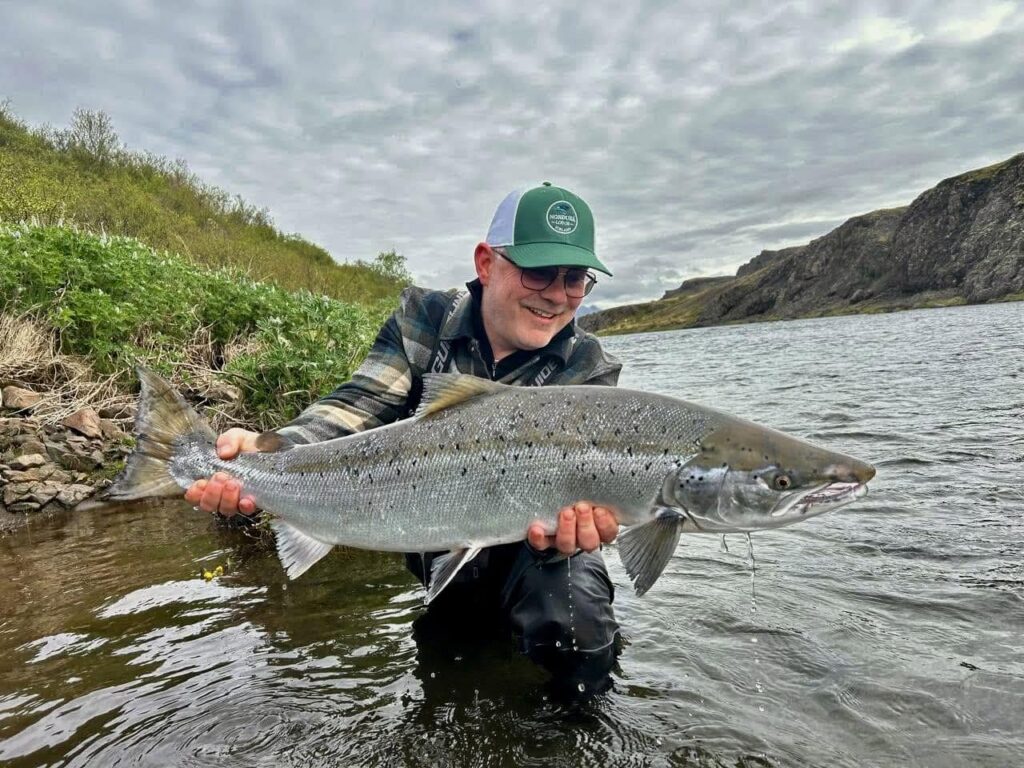
Nordurá has once again demonstrated why patience is often rewarded. Following a relatively subdued opening fortnight, the river has accelerated considerably and has now reached 349 salmon, comfortably ahead of the same stage in 2025. The quality of the fishing has remained excellent throughout, with large, fresh multi-sea-winter salmon continuing to feature alongside increasing numbers of grilse. Daily catches have become much more consistent as fresh fish continue to move through the system, suggesting the river is entering one of its traditionally productive mid-season periods.
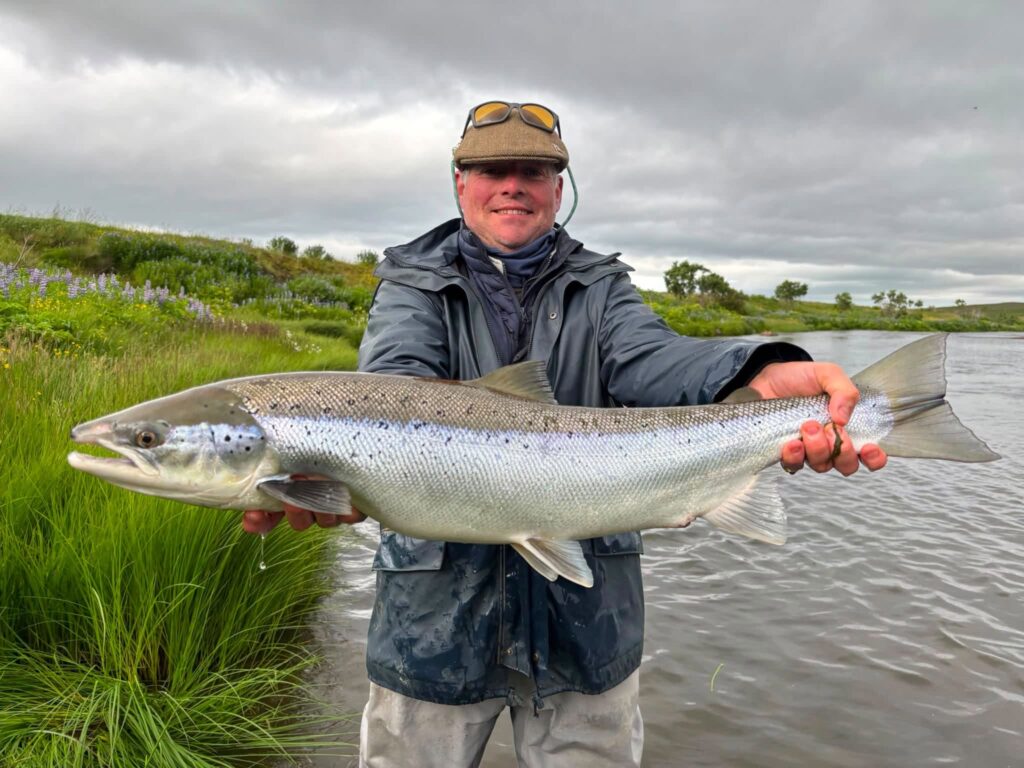
Laxá í Kjos has followed a similarly encouraging pattern and has now hit 134 fish landing 12 – 20 fish a day. The river continues to produce its usual mix of salmon and sea trout, with fresh fish now distributed well beyond the lower reaches. While catches have built more gradually than on some neighbouring systems, there are increasing numbers of fish throughout the beats, and as the grilse run strengthens and larger runs coming in on every tide, the river looks well placed for an excellent second half of July. Surface techniques and hitched tubes have become increasingly effective as water levels have stabilised.
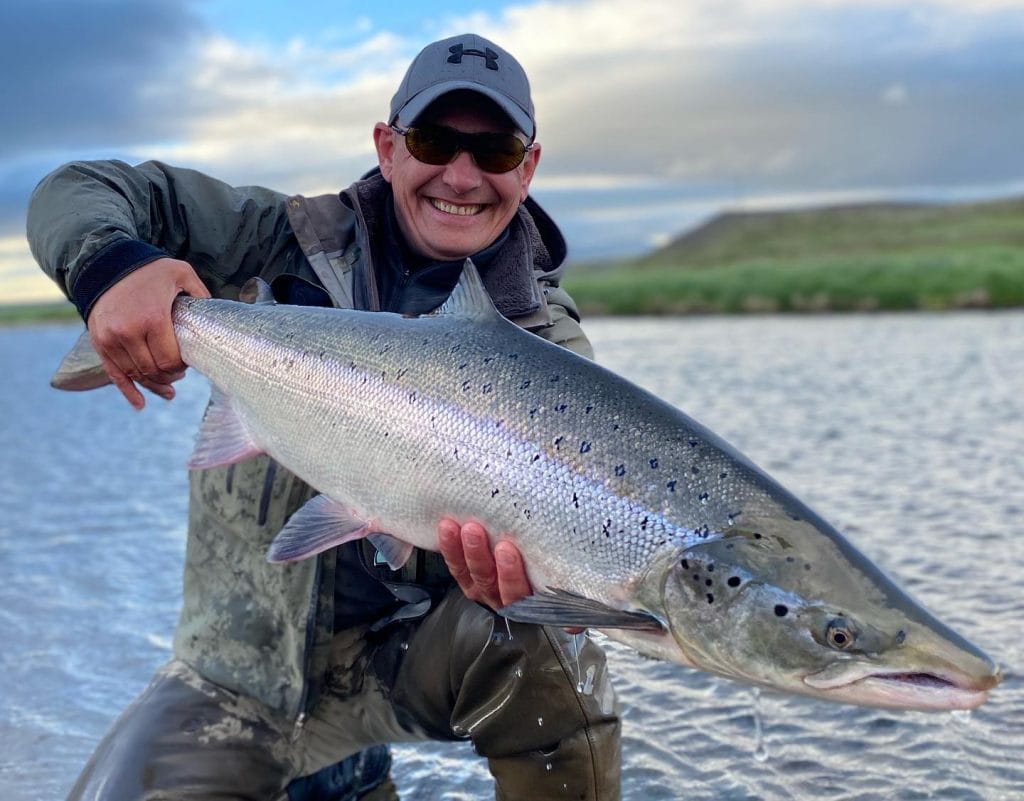
Further north and west, Midfjardará has been one of the standout performers of the season. From a promising opening it has continued to improve week after week and now stands on 243 salmon, an increase of more than 80% compared with this point last year. Yesterday they landed 24 fish and are averaging 17 – 23 fish a day. The river has produced consistent catches throughout its beats, combining excellent numbers with the quality salmon for which it has become renowned. Fishermen have continued to enjoy success on both traditional flies and modern hitch presentations as fresh fish enter the river almost daily.
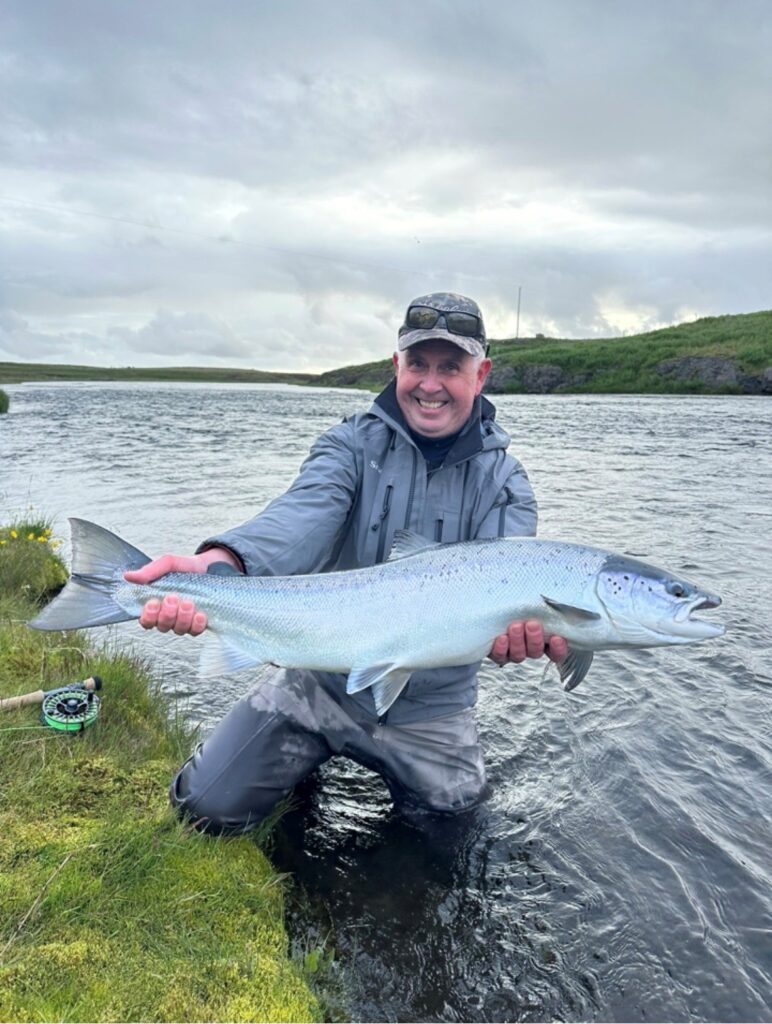
Langá has also recovered strongly after a slow opening spell and now sits on 117 salmon, around 44% ahead of last season. Hitará has enjoyed an even more impressive turnaround, climbing to 116 salmon, representing an increase of approximately 140% compared with the same date in 2025. There have also been some impressive fish being landed on Hitará as some bigger multi sea winter fish move into the system. Both rivers have seen noticeably stronger movement over the past fortnight, with catches becoming increasingly consistent as new fish continue to arrive.
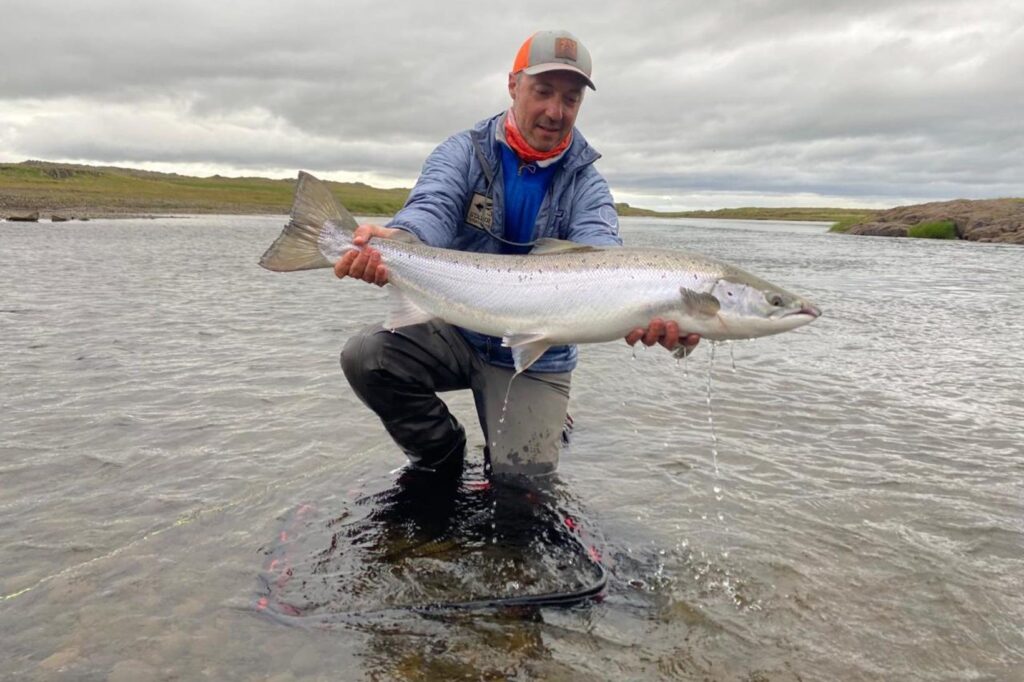
One of the biggest stories of the season has undoubtedly been Þverá and Kjarrá. Already Iceland’s leading salmon fishery this year, the system has continued to fish exceptionally well, reaching 550 salmon by early July after producing more than 300 salmon in a single week. While every river develops differently, the exceptional catches here demonstrate the strength of the current migration and have provided confidence that many neighbouring rivers still have their best fishing ahead of them.
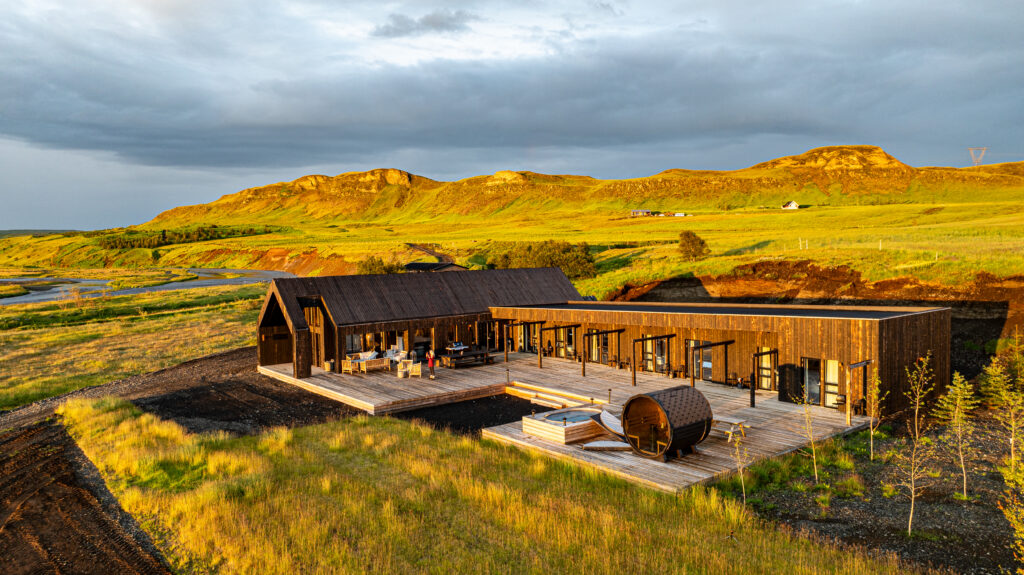
Stóra Laxá has continued to build steadily since opening and has now reached 105 salmon, slightly ahead of this point last year. Although not producing spectacular daily numbers which we would not expect being a big fish river, it has quietly settled into a consistent rhythm, with its characteristic mix of powerful salmon and exciting sight-fishing opportunities beginning to develop as water levels remain ideal. Some of the fish landed have been stunning with our last group a couple of days ago landing 20, losing 24 and averaging 84 cm (15lb) with the largest being 99cm (22lb). Experience suggests some of its finest fishing still lies ahead as more grilse move into the system.
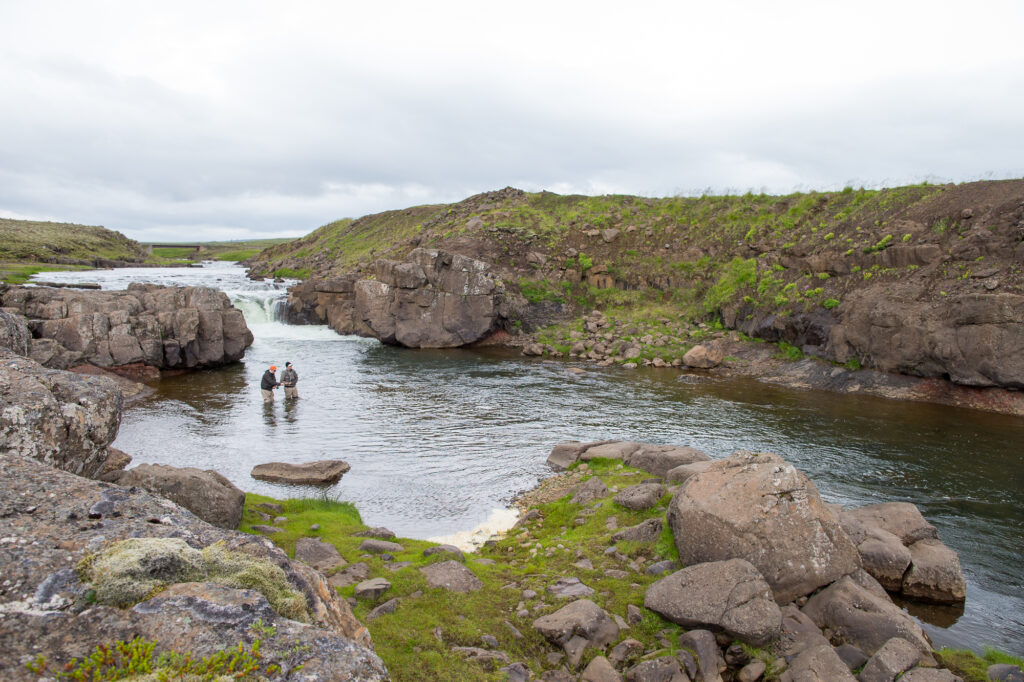
Vididalsá continues to produce steady sport and now stands at 47 salmon, marginally ahead of last season despite fishing more quietly than some of the larger west coast rivers. The quality of fish remains excellent, with plenty of salmon in the 80–90cm class continuing to feature in catches, reinforcing the river’s reputation for producing powerful, well-conditioned fish.
Overall, the mood across Iceland has changed significantly over the past fortnight. The concern that followed the slow start has largely disappeared, replaced by growing confidence as catches have improved almost everywhere. Industry commentators in Iceland describe the season as having undergone a distinctly positive shift, with many rivers moving from below last year’s figures into healthy positive territory in just a few weeks. While there is still a long season ahead, conditions currently look excellent for the remainder of July. Fresh fish continue to enter the rivers, the main grilse run is now underway, and provided weather patterns remain stable with occasional fresh water, fishermen can expect increasingly productive fishing across many of Iceland’s best salmon rivers during the weeks ahead.
We still have last-minute availability—click some special offers HERE or more availability HERE or contact Peter McLeod or Alex Jardine or call our office on +44(0)1980 847389.