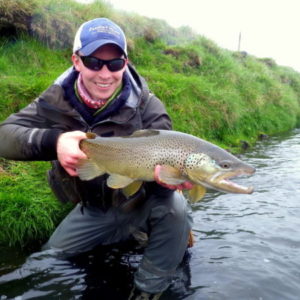
Mexico’s Yucatan Peninsula continues to be an excellent choice for saltwater fly fishermen; the fly fishing is fantastic and there are wonderful lodges at every price point. The Mayan Riviera is renowned for its pristine waters, diverse marine life, and an abundance of bonefish, tarpon, permit and snook. This region offers a unique and thrilling experience for those passionate about fly fishing, whether a saltwater novice or hardened veteran chasing permit.
Set amid beautiful natural landscapes and boasting expertly designed accommodation, the lodges provide both exceptional angling opportunities and serene retreats, allowing visitors to immerse themselves in the rich culture and stunning surroundings of the Yucatan Peninsula. Whether one seeks the thrill of catching trophy fish or wishes to bask in the tranquillity of the Mexican coastline, the Yucatan Peninsula’s fly fishing lodges present an ideal haven for an unforgettable and fulfilling adventure. Better yet, with several unique destinations that can be easily combined anglers can enjoy extended itineraries with fantastic variety.
Ascension Bay
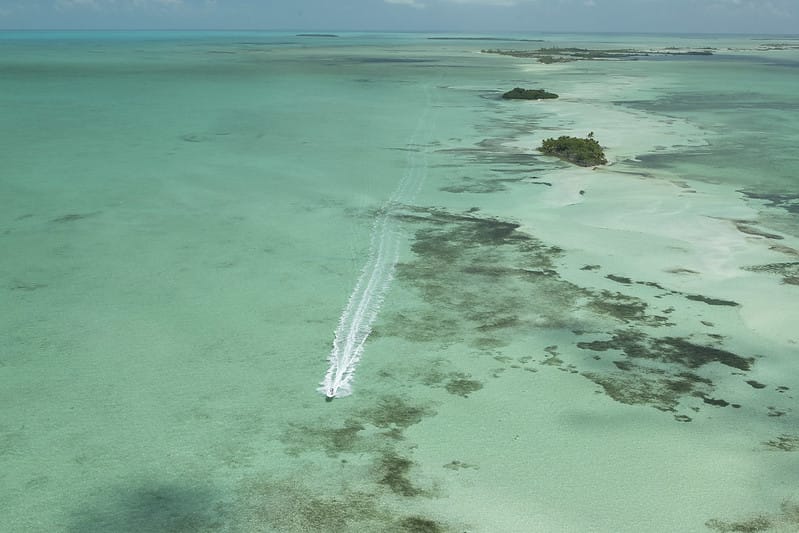
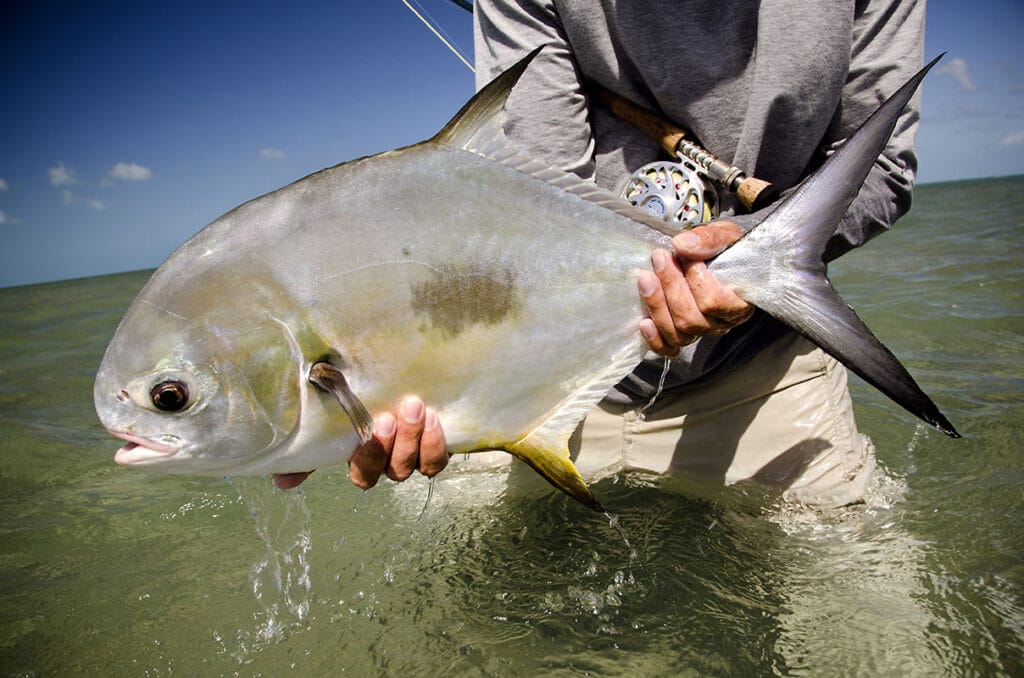
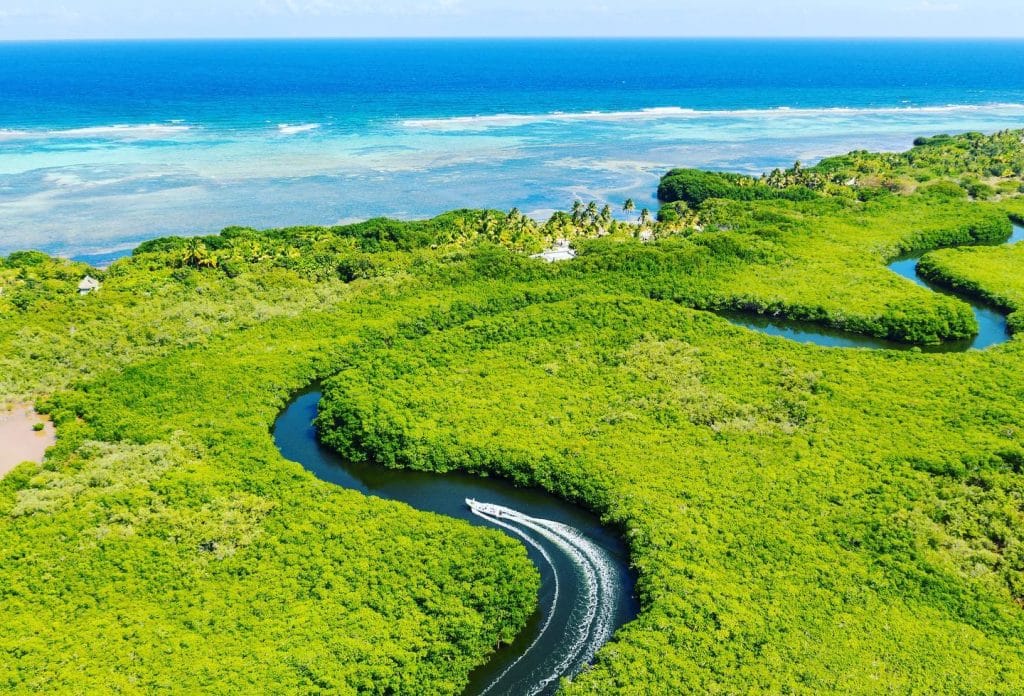
Located in the Sian Ka’an Biosphere, a vast international wildlife park, Ascension Bay and the Boca Paila Lagoon system have been protected from commercial fishing and development. This has allowed the local wildlife both above and below the water to prosper. With miles of coastline, shallow flats and lagoon systems, the fishing opportunities here are endless. The fishing is year round, and the mangrove-lined shores with a backdrop of lush green rainforest offer the perfect habitat for all the famous flats species. The waters here offer some of the best permit fishing in the world and many of the guides regard fishing for these enigmatic fish not only as a job but as a passion. Many spend their days off scouting for new locations and as a team they make sure their guests have the best opportunity to be a successful permit angler.
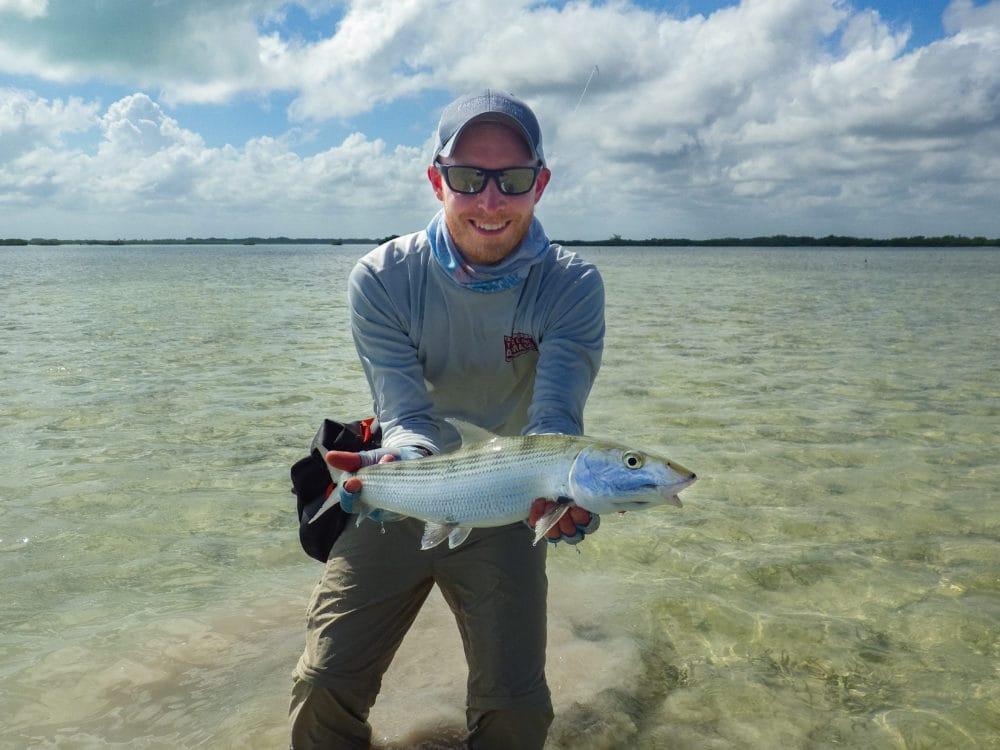
Alongside permit, there are healthy populations of bonefish, tarpon and snook here as well. Snook typically hold up on the coastline under branches or mangroves waiting for unsuspecting prey to swim past. The population is protected and features some of the most significant specimens you’ll encounter anywhere in the world. There is a huge nursery of juvenile tarpon in Ascension Bay. Often referred to as ‘baby tarpon’ these fish still average between 10 and 30lb, with fish over 50lb caught each year. Migratory tarpon appear in the summer with sizes that average 70lb but which can reach 130lb or more. The bonefish population is very healthy and 20 to 30 fish in a day is a regular occurrence.
Lodges of note:
Punta Allen Fishing Club
Mayazul Lodge
Sian Ka’an Lodge (Formerly Grand Slam Fishing Lodge)
Casa Blanca
Pesca Maya Lodge
Espiritu Santo Bay
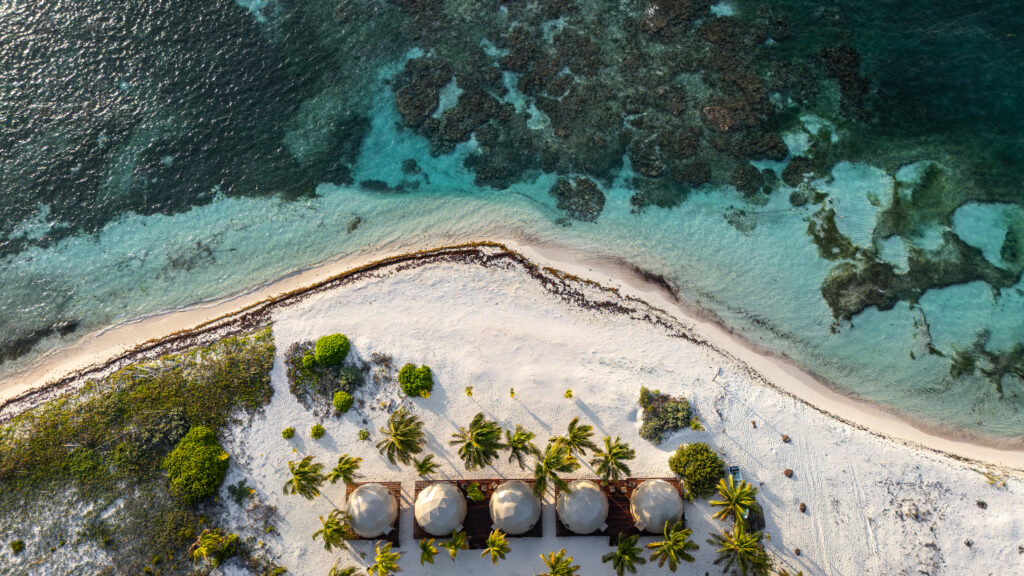
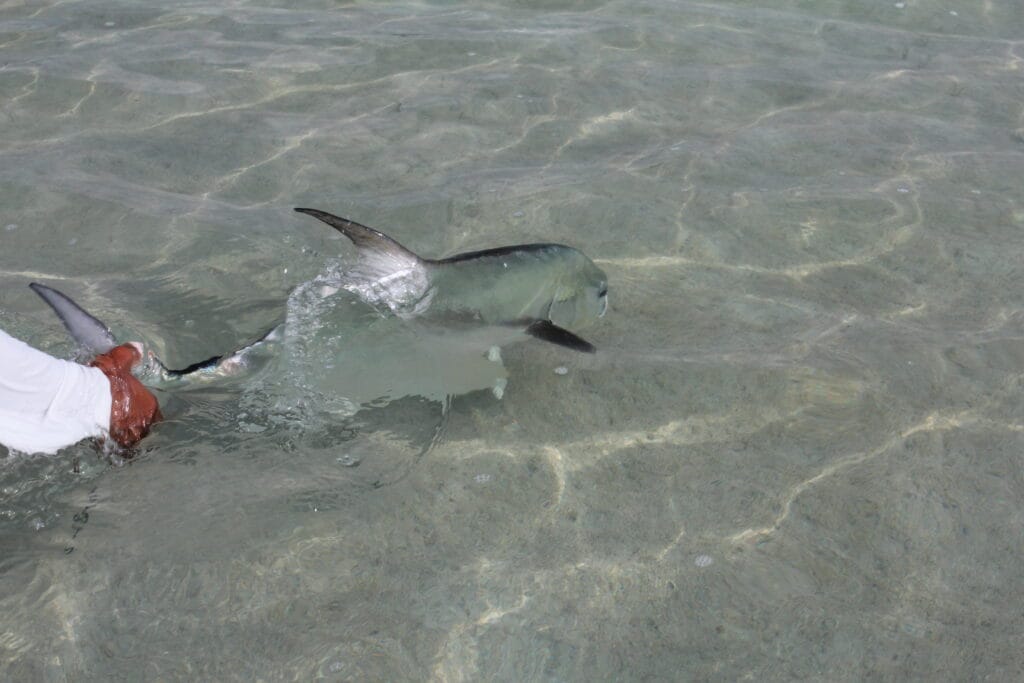
Like Ascension Bay, Espiritu Santo Bay is also located within the protected 1.3 million acre Sian Ka’an Biosphere Reserve, the bay has earned a reputation as one of the finest permit destinations in the world and a premier saltwater fly fishing venue for those pursuing a Super Grand Slam. Near the remote lobster fishing village of Punta Herrero, jungle, mangrove systems, and Caribbean flats merge to create ideal habitat for the region’s big four species: permit, bonefish, tarpon, and snook. The bay is a complex network of white sand flats, internal lagoons, and mangrove shorelines. Permit are found in schools as well as solitary larger fish on the shallowest flats. Blue holes and mangrove creeks hold snook and resident tarpon. Bonefish are present in strong numbers and provide steady action. Migratory tarpon begin to appear as early as February, with larger numbers arriving in the summer months.
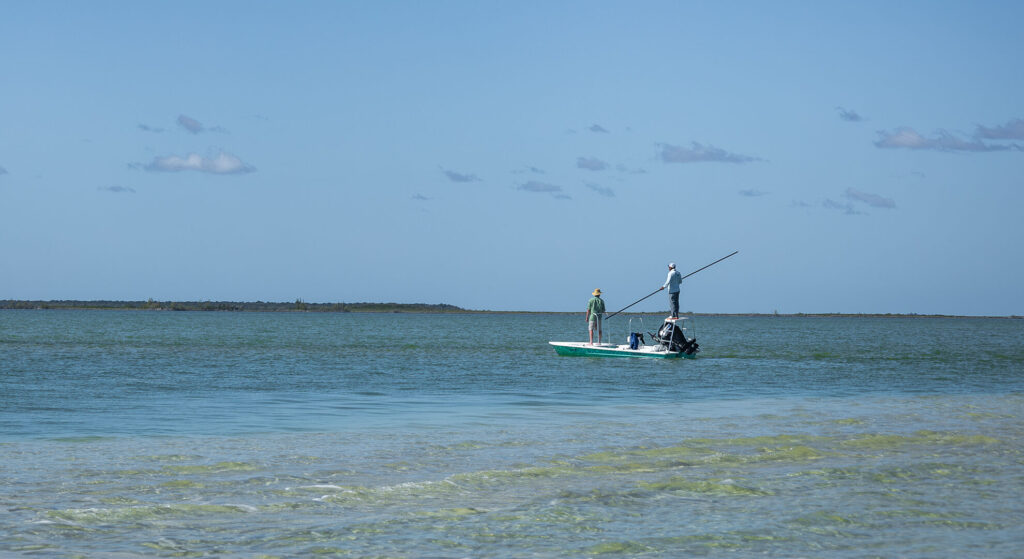
What defines Espíritu Santo Bay, however, is the behaviour of its permit. These fish feed confidently across a range of depths, including true shallow water flats. For anglers who value the visual element of the hunt, few places offer more consistent opportunities to see and stalk fish in skinny water.
Lodges of note:
Beh Kay Lodge
Playa Blanca
Espiritu Santo Bay Lodge
Xcalak
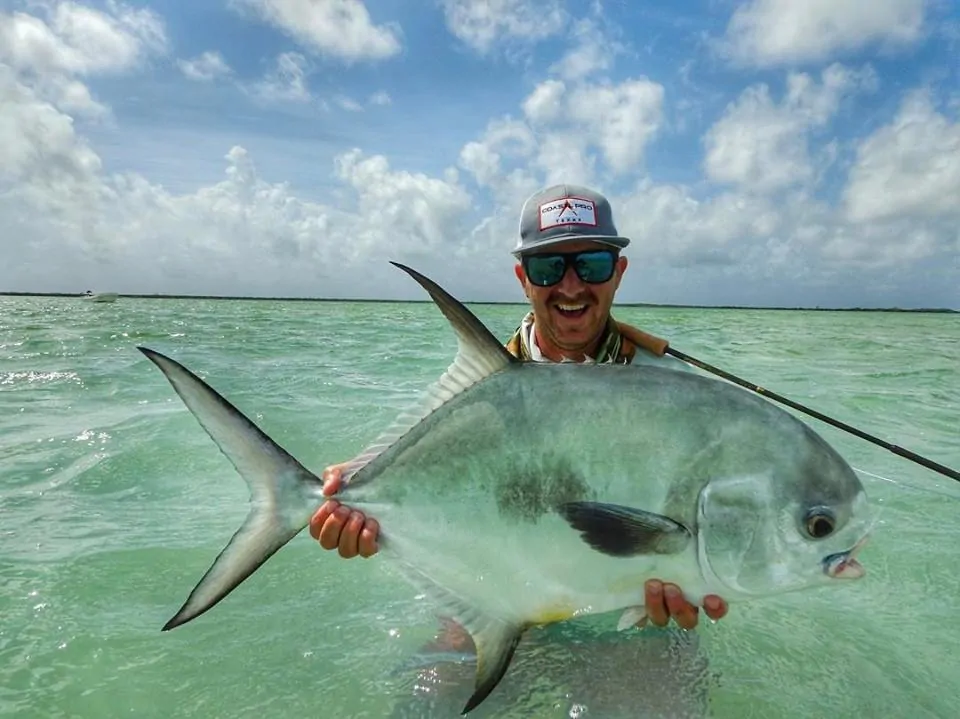
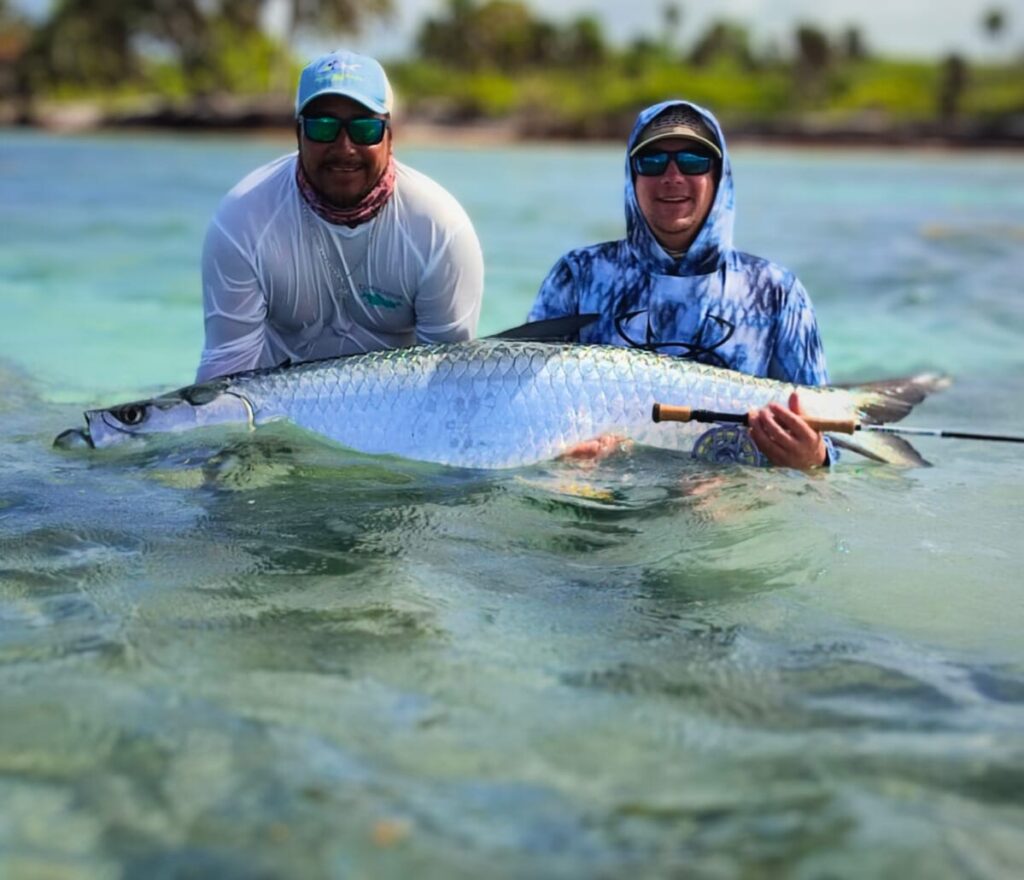
Xcalak, on the southern tip of Mexico’s Riviera Maya is a charming coastal village famous for untouched nature, crystal clear waters and warm hospitality. The area is home to the second largest barrier reef in the world boasting unparalleled marine biodiversity and ensuring plentiful fishing opportunities. Along with plentiful populations of permit, bonefish, tarpon and snook, the mangroves and reefs are home to large jacks, barracuda and snapper.
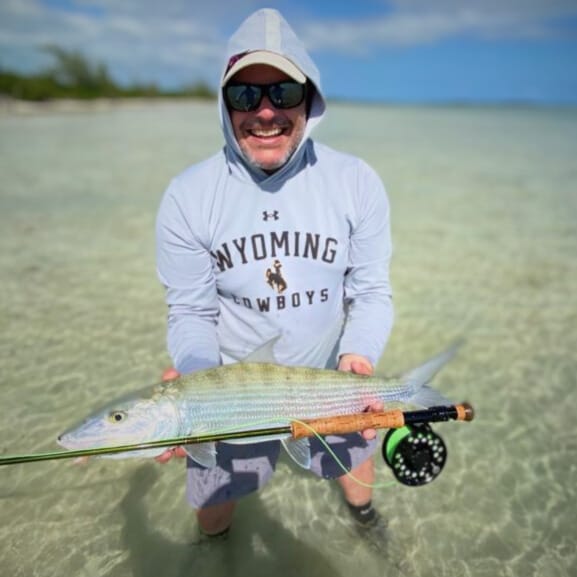
Early morning here offers prime permit conditions with typically calm weather and fish on the hunt for food. Wherever possible you will be out of the boat wading for permit so if you have spotted the fish at a long enough distance, you can leave the boat and approach on foot. Generally, in two to four feet of water you can get much closer than on a boat and are more likely to be able to get multiple shots. The bonefish here average two to four pounds, with larger fish approaching the 10lb mark. Bonefishing can be enjoyed from the boat or on foot, with anglers wading in areas where the guides expect to find cruising and tailing fish.
There is good access to baby tarpon in the 5 to 20lb range in the cenotes (natural sinkholes specific to the Yucatan area) and blue holes in the bay, along with the surrounding lagoons. Larger migratory tarpon move through the area in June and July so if you are after one of these monsters, plan your visit then. The local lagoons have a population of snook year round, while migratory snook tend to arrive mid-December to February when you will find them along the mangrove shorelines and cruising the flats. Barracuda and jacks are among the other species found here.
Lodges of note:
Xcalak Paradise Fly Fishing Lodge
Xflats Lodge
Isla holbox
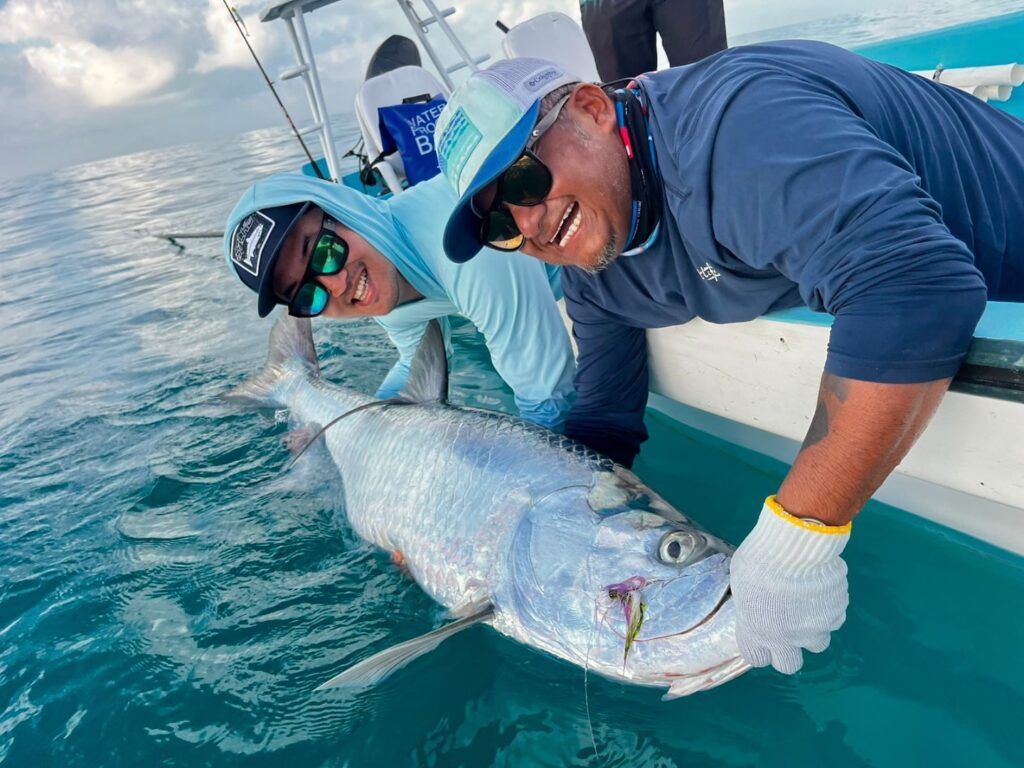
Although there are other species to be found in the waters of Holbox, it is the tarpon that is the true star of this destination.
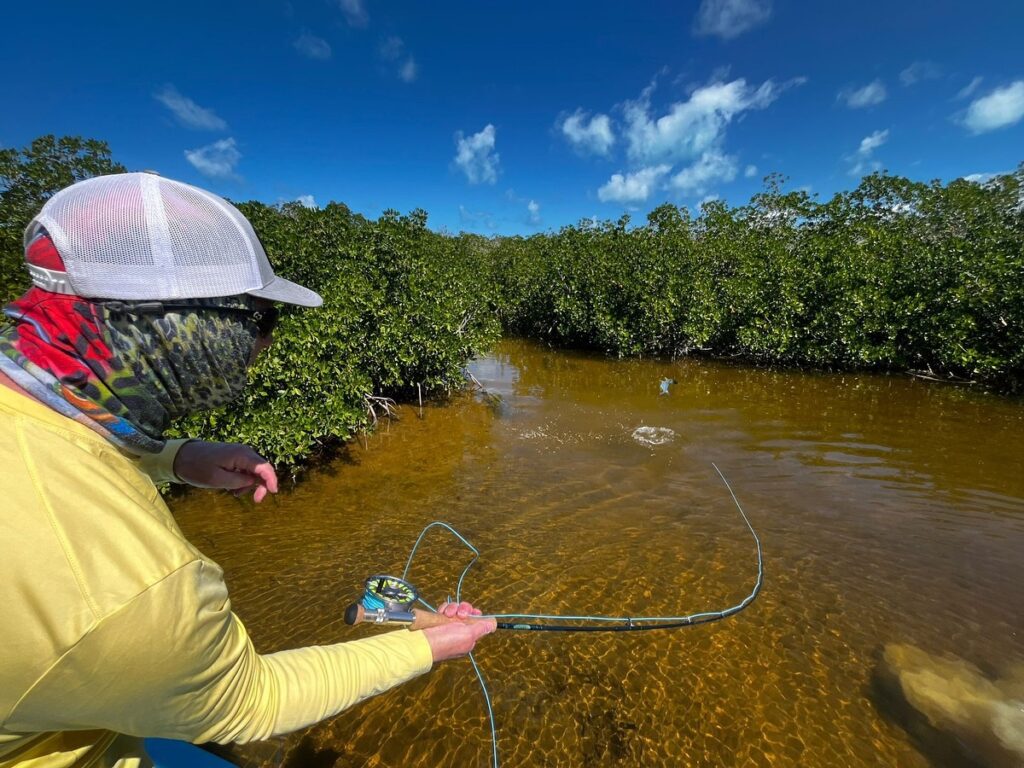
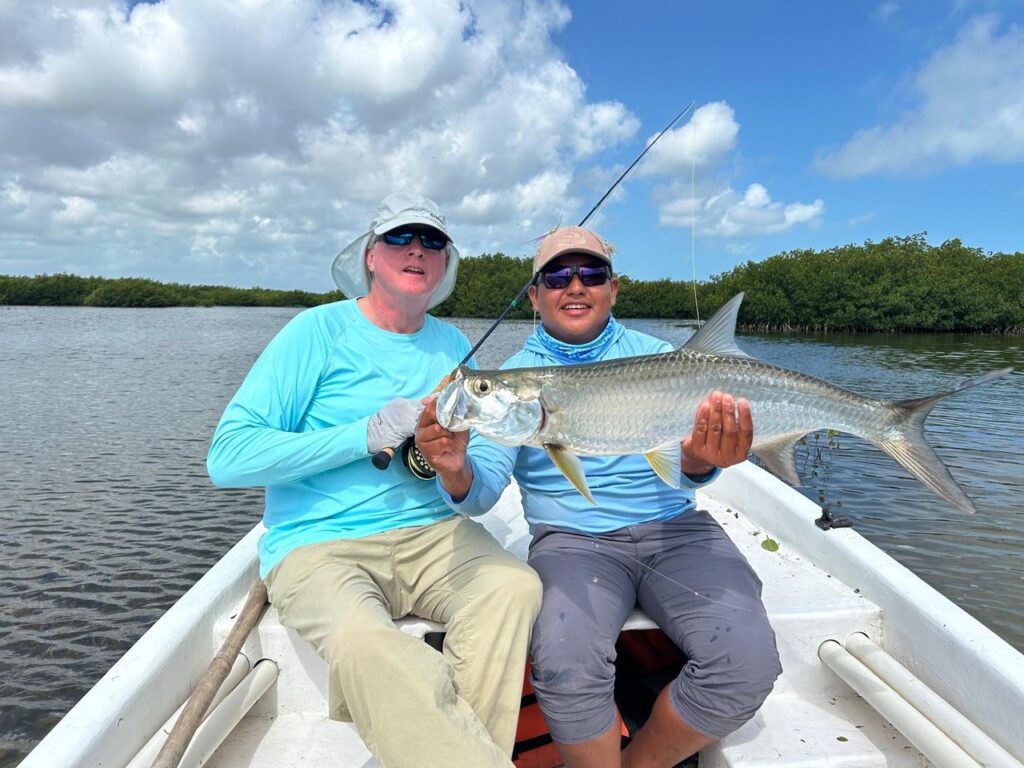
Every year large schools of migratory fish congregate in the open waters just off the island. In the shallow mangrove lagoons, creeks and flats you will find baby tarpon (5 to 15lb) and snook throughout the year. Your guide will pole you along beautiful turtle grass flats or inside the mangrove lagoon as you sight fish for these acrobats that cruise and roll just like their larger brethren. However, it is the migratory fish that make Holbox a unique fly fishing destination. In April, migrating fish begin to arrive to feed in the clear water of the shallows. During June, July and August, the fishing for large tarpon in the 75 to 190lb range can be fantastic.
In addition to the tarpon and snook, bonefish, barracuda, snapper, permit and jack crevalle are also occasionally found during the spring and summer months. There are a number of guides on the island and we can arrange for one to accompany you as you explore these productive waters where you will search the calm surface for rolling schools of tarpon. It is possible to see several schools and hundreds of fish each day. The large adult fish can be found from May to September.
Lodges of note:
Isla Holbox
Rio Lagartos
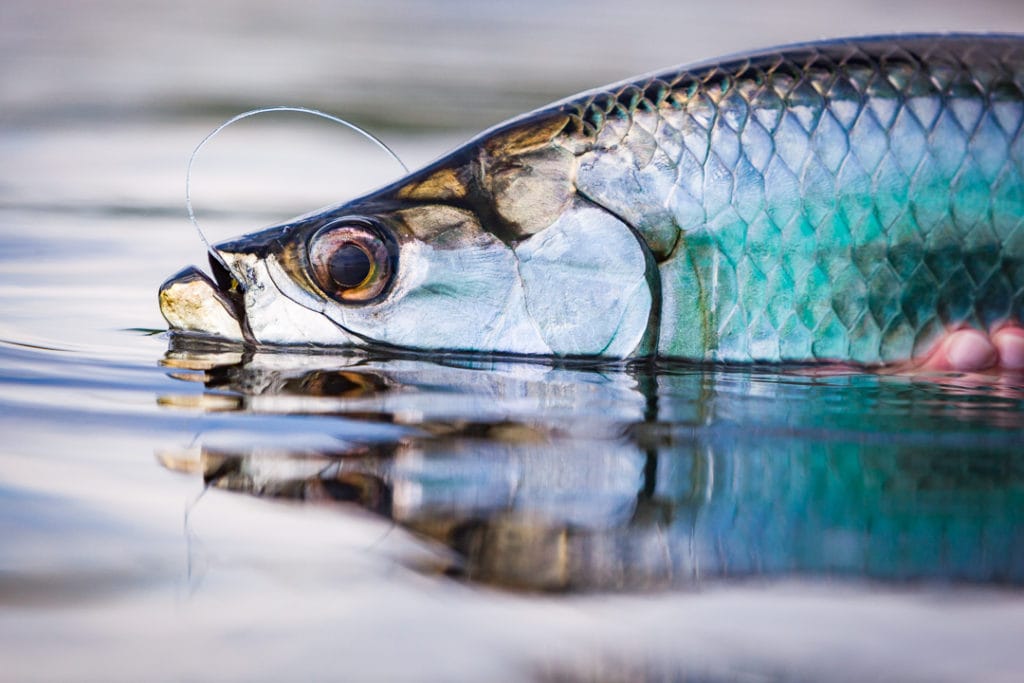
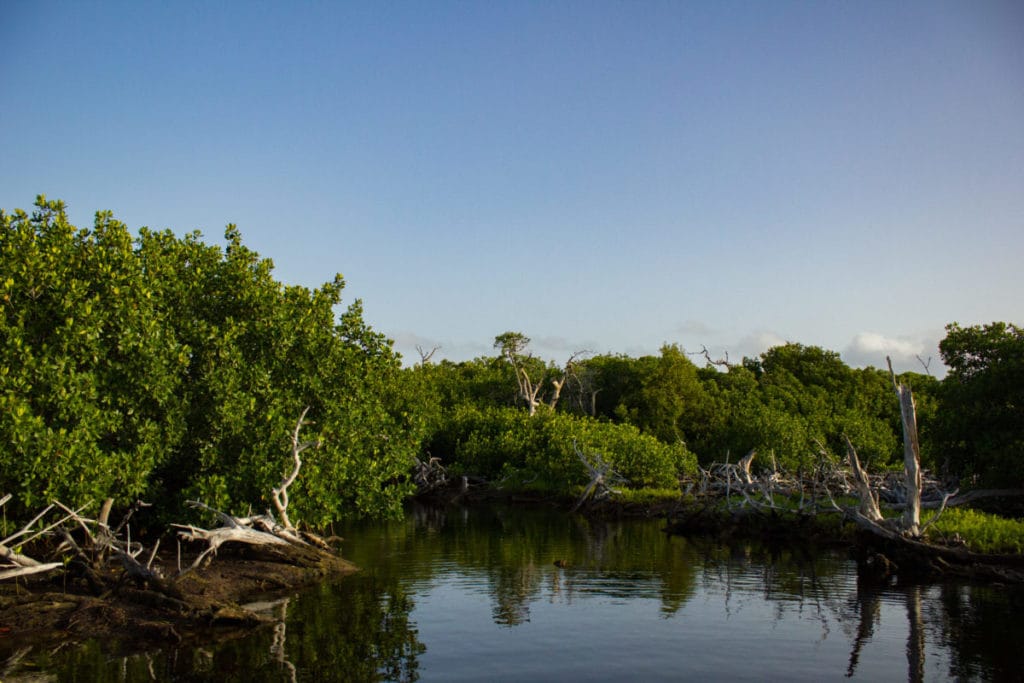
Off the northern coast of the Yucatan, two large preserves protect the coastal waters from commercial fishing. Crucially, they provide an expansive refuge for baby tarpon and a range of other marine wildlife.
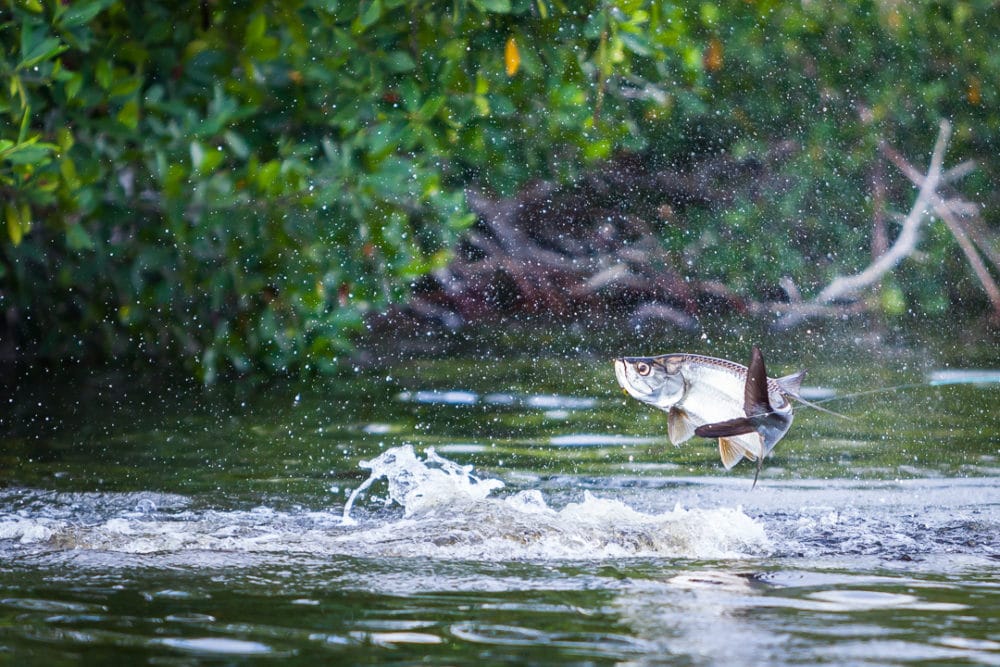
In the waters around Rio Lagartos and San Felipe, Roving schools of fish vary greatly in size from just a few tarpon all the way to several hundred fish. They can be sensitive to environmental conditions and may challenge even the most skilled fly anglers. Properly setting the hook and making a well presented cast is half the battle – it’s a thrilling and utterly addictive experience.
The fishing areas vary from tight mangrove channels to sandy lagoons and turtle grass flats. In addition, there are deeper offshore flats where it is possible to find migratory tarpon in excess of 80lb.
Lodges of note:
Tarpon Cay Lodge
Campeche
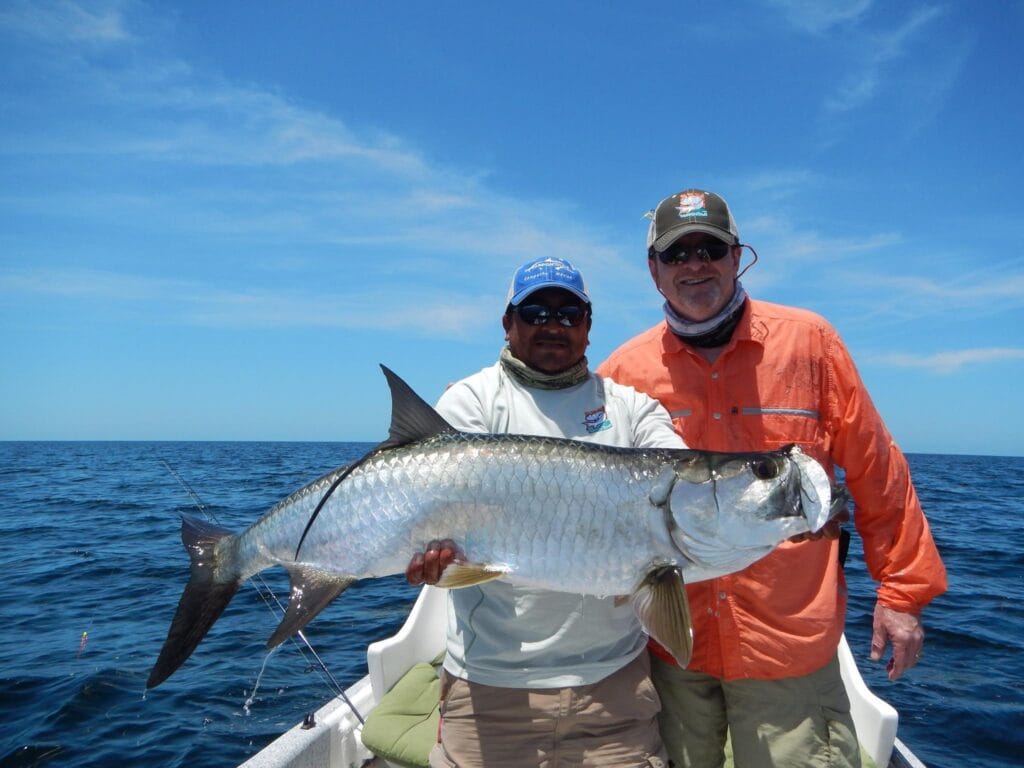
Campeche is one of the best destinations in the world for baby tarpon. A huge network of mangrove lagoons, turtle grass flats, and creeks stretches over 100km and offers plenty of opportunity for tarpon fishing year-round.
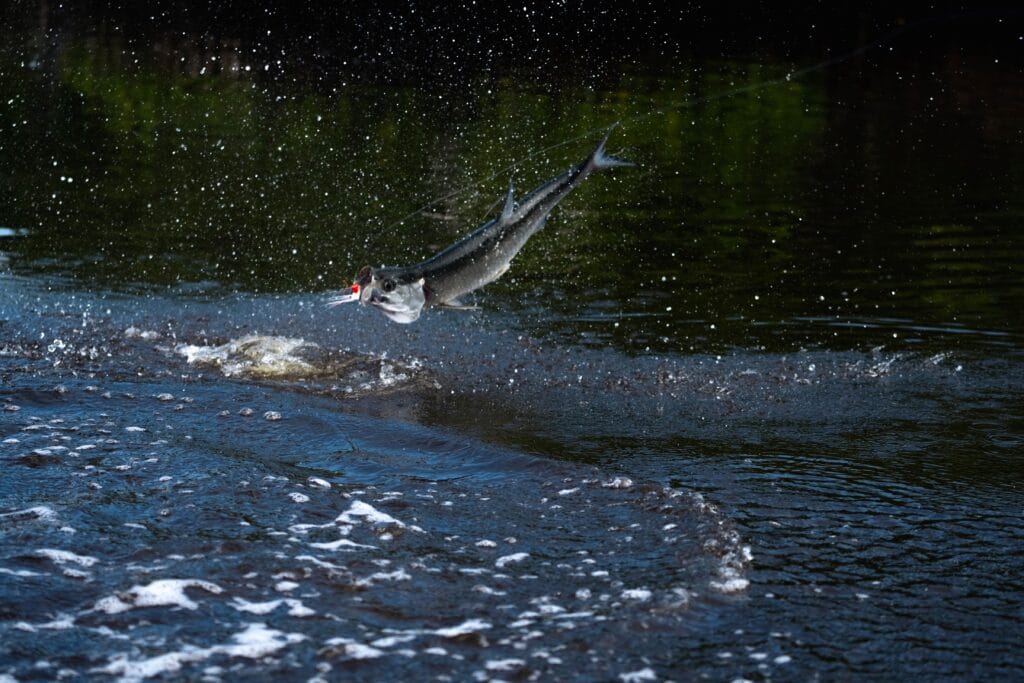
The different areas around the Bay of Campeche offer a range of casting opportunities, from targeting baby tarpon against the mangroves to patrolling offshore turtlegrass banks holding schools of packed juvenile tarpon. There is no trace of the big tarpon migration in the 25 mile-to-coast range, but juveniles pack in great numbers nearby during the winter and spring, while baby tarpon populate the mangrove shore year round. A typical day will show 50 to hundreds of tarpon. If 12 fish are jumped and two or three landed it should be considered a good day.
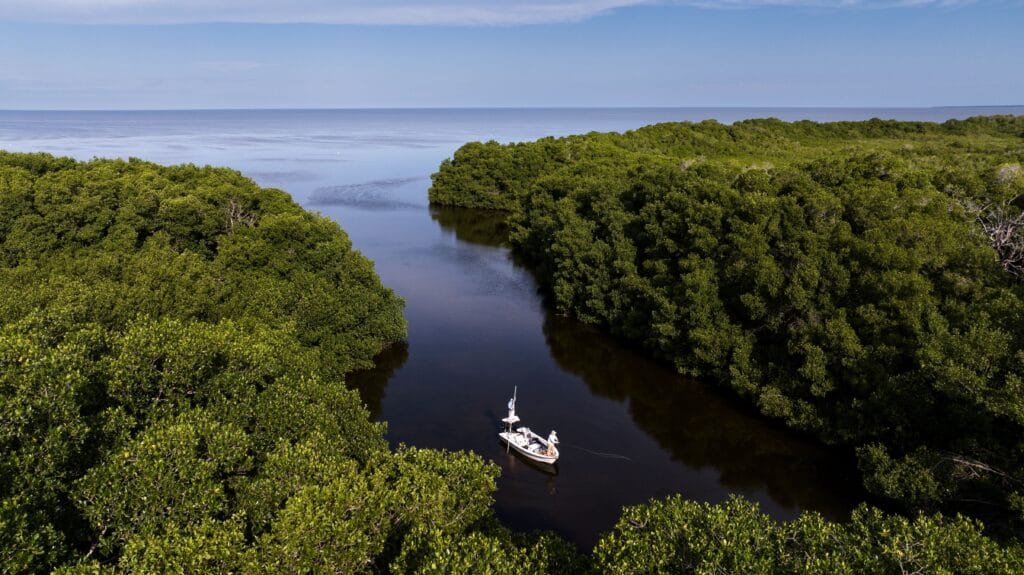
The fishing grounds can be divided into the offshore banks, located two to three miles offshore where you can expect long fish runs and many jumps. The mangrove coast produces plenty of fun with sight casting to cruising fish and blind casting to shaded slots. The creeks and inlets are freshwater streams that run out to the Gulf of Mexico but are flooded with saltwater tides making these channels a perfect shelter for fish.
Lodges of note:
Tarpon Town Lodge
Casa Clorinda
If you would like more information about saltwater fly fishing in Mexico please contact Olly Thompson or Alex Jardine, alternatively you can call our office on +44(0)1980 847 389.