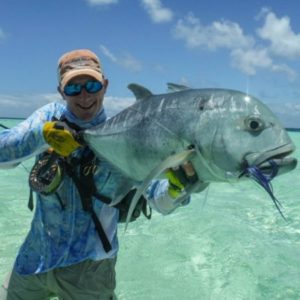
After years of remarkably little fishing pressure, the flats of Los Roques are producing some of the finest saltwater fly fishing we have seen in decades. With an extraordinary population of bonefish, increasing opportunities for permit, tarpon and a host of other species, and improving access to Venezuela, this magnificent archipelago is firmly back on the international fly fishing map.
For those of us who have been involved with Los Roques for many years, it is wonderful to see this extraordinary fishery returning to prominence. There was a time when Los Roques was considered one of the top three saltwater fly fishing destinations in the world. However, political uncertainty and the resulting difficulties of travelling to Venezuela saw international angling pressure fall dramatically, with many fishermen turning their attention to other Caribbean destinations.

While this was undoubtedly challenging for the fishing operations, it has had an extraordinary effect on the fishery itself. The vast network of white sand flats, coral islands, mangrove lagoons and beaches has enjoyed what amounts to an extended rest, with some areas seeing very little fishing pressure for several years. The results have been quite remarkable.
Bonefishing at Its Very Best
Los Roques has always been synonymous with exceptional bonefishing, but recent seasons have reminded us just how special this destination really is.
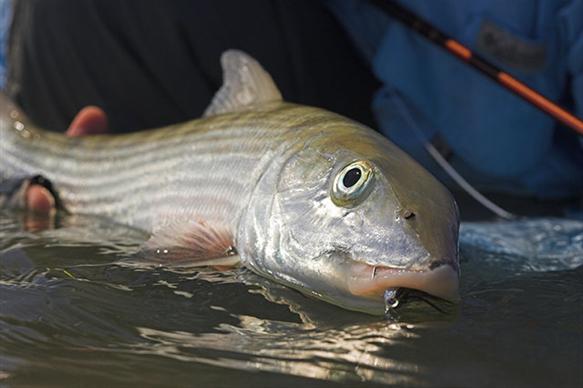
Reports from our clients and guides have been outstanding, with large numbers of bonefish encountered across the flats and some exceptional specimens being landed. Unlike many Caribbean destinations, where bonefish averaging two or three pounds are commonplace, Los Roques regularly produces fish in the four to six pound bracket, with considerably larger specimens a realistic possibility.
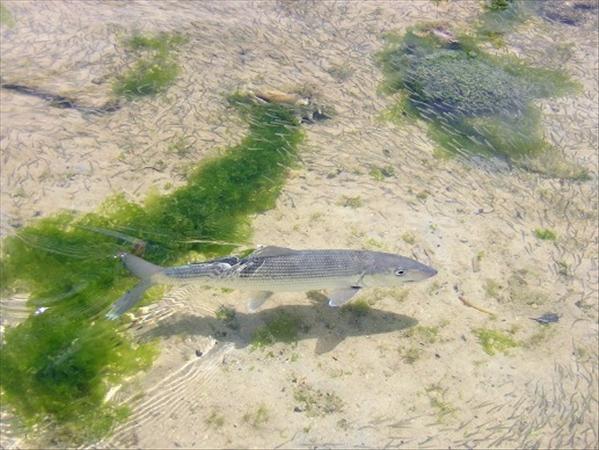
During the early part of the 2025 season, one group of our anglers averaged between six and ten bonefish per person per day, with most fish weighing between five and six pounds. The highlight was a magnificent bonefish exceeding 11 lb, a truly exceptional fish by any standards.
What makes Los Roques particularly appealing is the variety of environments in which these fish can be targeted. Large schools cruise the expansive white sand flats, while individual fish and smaller groups can be found tailing over turtle grass and coral rubble. Perhaps most exciting of all is the remarkable beach fishing, where powerful bonefish chase small baitfish in the shallows, often within a few yards of the shoreline.
There are few experiences in saltwater fly fishing quite like walking along a deserted Caribbean beach, spotting a large bonefish hunting minnows in the breaking water and watching it accelerate towards a carefully presented fly.
Much More Than Just Bonefish
Although bonefish remain the principal attraction, one of the most exciting developments over recent seasons has been the increasingly varied fishing available throughout the archipelago.
Permit have become an important part of the experience, with guides increasingly targeting these notoriously difficult fish across the deeper flats, sandy channels and areas of broken coral. Some truly impressive specimens have been encountered, including one extraordinary permit landed by one of our clients on a 6-weight rod after a battle lasting an hour and a half.

Tarpon fishing has also been excellent. Juvenile tarpon inhabit the sheltered mangrove lagoons, providing exciting sight-fishing opportunities, while larger fish can be encountered around deeper channels, reef edges and the waters surrounding Gran Roque. The autumn months can be particularly interesting for those wishing to concentrate on tarpon.
Beyond the traditional grand slam species, anglers are increasingly enjoying opportunities for Caribbean triggerfish, parrotfish, snook, barracuda, blue runners, bar jacks and horse-eye jacks. This diversity has added an entirely new dimension to the fishing.

Recent reports have included anglers landing multiple tarpon and snook in a morning, while others have enjoyed exceptional bonefishing before switching their attention to the numerous other species available.
For those wishing to venture beyond the flats, the proximity of deep blue water offers opportunities for wahoo, tuna and other pelagic species. One particularly memorable outing saw an angler land three wahoo, the largest weighing approximately 30 kg, before returning inshore to catch six snook.
The opportunity to combine world-class bonefishing with such a variety of other species is one of the things that makes Los Roques so unusual.
A New Approach to Fishing the Flats
The changing nature of the fishing has also encouraged the guides to broaden their approach.
Traditionally, many visiting anglers concentrated almost exclusively on bonefish, using small shrimp patterns and carefully stalking fish across the shallow flats. While this remains incredibly productive, there is now much greater emphasis on making the most of the remarkable diversity of species.
Fishing small baitfish patterns along beaches and shallow channels can produce spectacular results, particularly when bonefish and jacks are actively feeding on minnows. Meanwhile, carefully presented crab and shrimp patterns remain essential when targeting permit and the larger bonefish cruising over coral and turtle grass.
The key is adaptability. Rather than concentrating on one species throughout the day, anglers can move between different habitats and fishing techniques according to the tides, light conditions and the fish they encounter.
The comparatively limited fishing pressure also means that many fish have had far less exposure to anglers and artificial flies than their counterparts in more heavily visited destinations. This does not make them easy to catch, particularly the permit, but it creates some wonderful opportunities for thoughtful, well-presented fishing.
The Best Guides in Los Roques
One of the more interesting consequences of the difficult years has been the consolidation of the guiding operations.
When we first began sending clients to Los Roques, there were three established fishing operations working across the archipelago. Today, these have effectively consolidated into one principal specialist operation, bringing together many of the most experienced guides from the original teams.
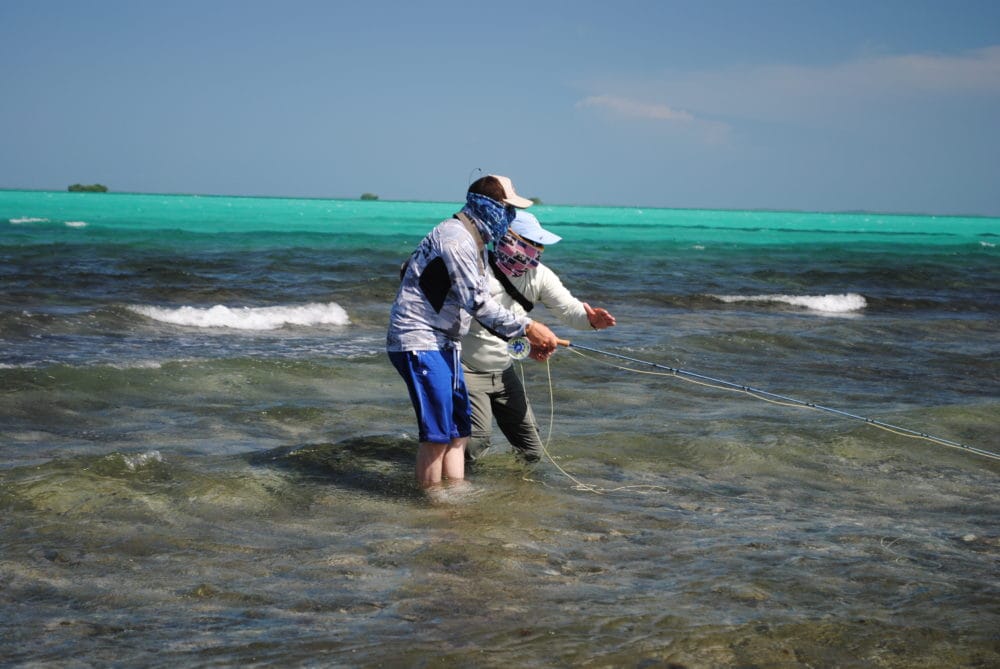
Some of these guides have spent more than twenty years exploring the flats and channels of Los Roques, developing an intimate understanding of the tides, seasonal movements and feeding habits of the fish.
This depth of experience is invaluable, particularly in such a vast fishery. Knowing where to find large bonefish on a particular tide, which beaches are likely to hold feeding fish, or when to abandon the flats in favour of tarpon or permit can make an enormous difference to the success of a day.
Having so much guiding experience concentrated within one operation is a considerable advantage for visiting anglers, whether they are making their first saltwater trip or have spent decades chasing fish around the world.
Reliable Weather and an Extraordinary Environment
Another great strength of Los Roques is its geographical position.
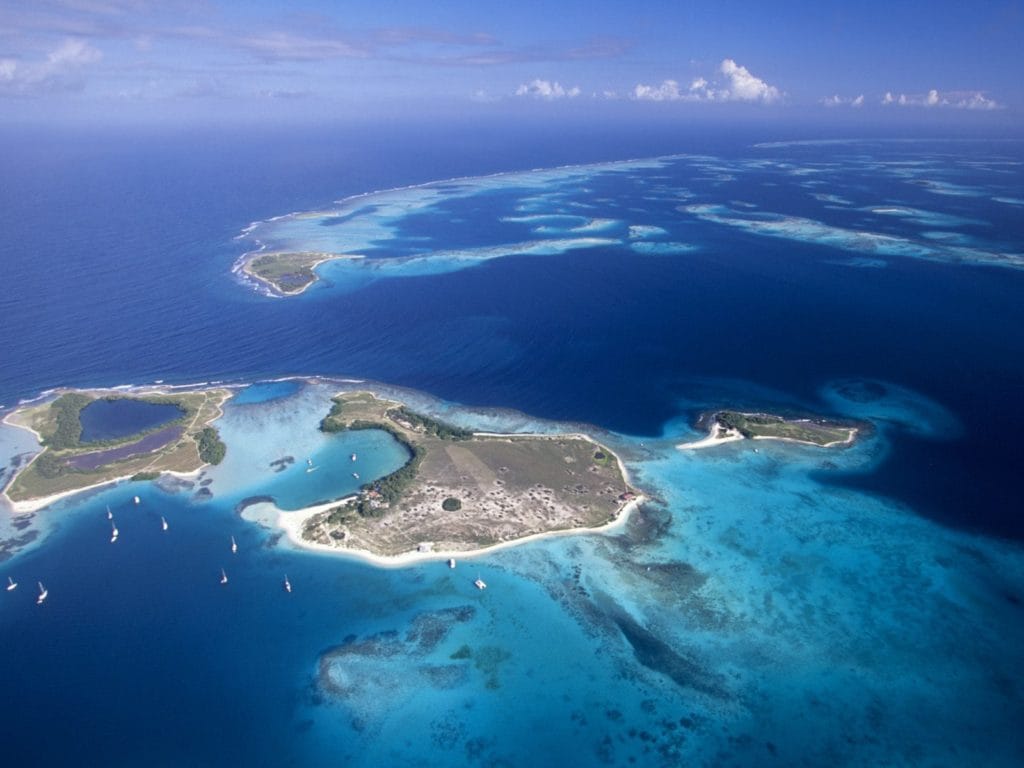
Situated approximately 160 kilometres north of the Venezuelan mainland, the archipelago lies considerably farther south than many of the Caribbean’s established saltwater destinations. Its position close to the equator and towards the southern edge of the Atlantic hurricane belt means that it is much less exposed to the tropical storms that can disrupt fishing farther north.
Although wind and occasional cloud cover are part of any saltwater fishing experience, Los Roques generally benefits from warm temperatures, excellent water clarity and relatively consistent seasonal conditions.
The principal fishing season runs from January through August, although worthwhile fishing can be enjoyed outside these months, particularly for anglers interested in tarpon and other species.
The extraordinary variety of fishing environments also provides flexibility. With hundreds of islands, cays and extensive flats spread across the national park, experienced guides can select different areas according to the prevailing wind, tides and visibility.
It is also difficult to overstate the beauty of the destination. Endless white sand flats, turquoise lagoons, deserted beaches and coral islands create one of the most spectacular environments in which to pursue saltwater fish anywhere in the world.
Venezuela Is Opening Up Again
For many years, the greatest obstacle to fishing Los Roques has not been the quality of the fishing, but the practicalities of travelling to Venezuela.
During 2026 there have been encouraging developments in diplomatic relations and travel arrangements. The reopening of the US Embassy in Caracas, changes to international travel advice and the restoration of some commercial air services have all been welcome steps.
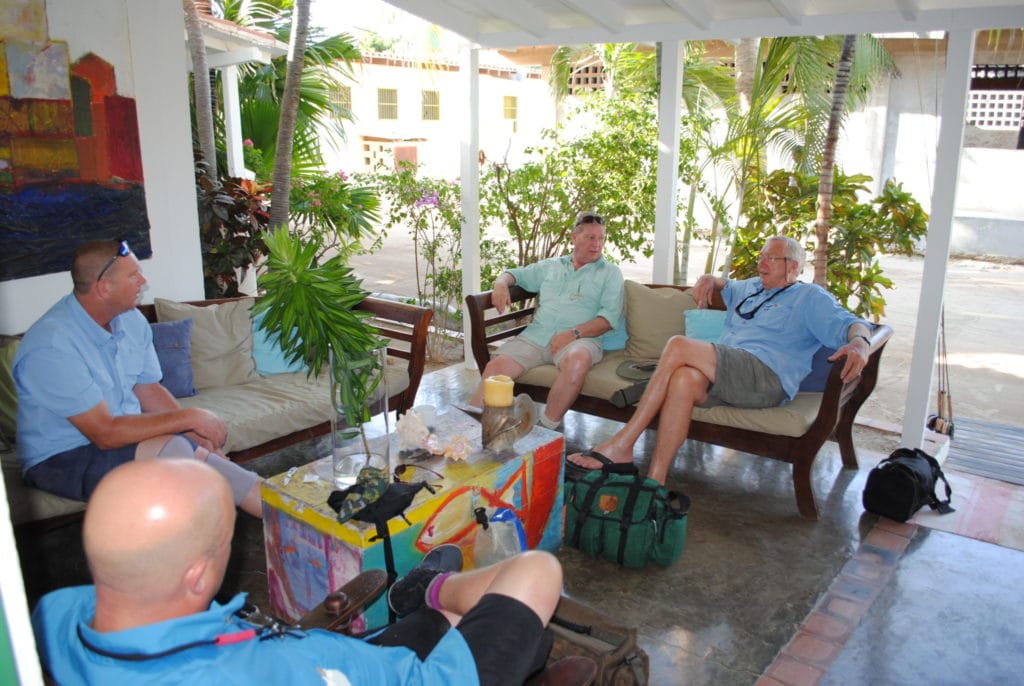
Importantly, American anglers can once again pursue trips to Venezuela, subject to obtaining the necessary visa and meeting current entry requirements. The introduction of an electronic visa application system for US citizens in April 2026 has made the application process more straightforward, removing the need for traditional in-person consular applications.
Naturally, Venezuela remains a destination where careful planning and experienced local support are essential. We continue to work with the same trusted ground-handling team that has looked after our clients for more than twenty years, arranging airport assistance, transfers, accommodation and onward flights to Los Roques.
This continuity is particularly reassuring for clients who may be unfamiliar with travelling through Venezuela, allowing them to concentrate on the fishing rather than the logistics.
Why Now Is Such an Interesting Time to Return
Having followed Los Roques for so many years, I find the present situation particularly exciting.
Very few established saltwater fisheries have experienced such a prolonged reduction in international angling pressure. Even fewer combine this with such an extraordinary natural abundance of fish, extensive wading opportunities and the guiding experience that exists in Los Roques.
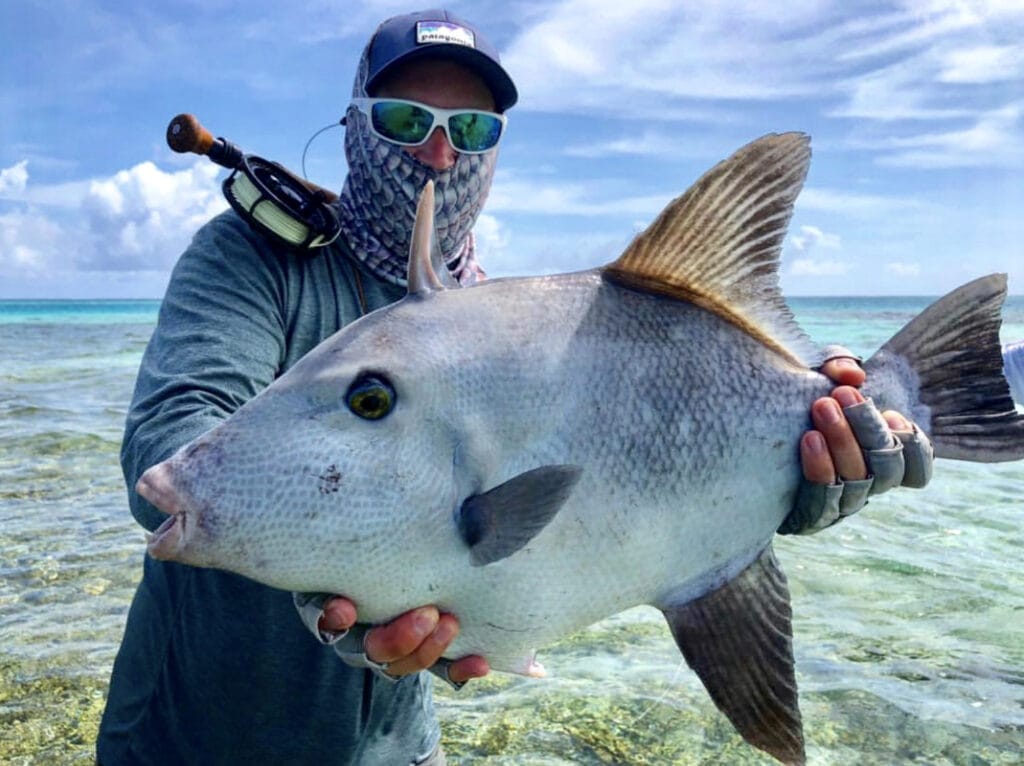
The fishing reports speak for themselves. Large bonefish are being encountered regularly, permit opportunities are excellent, tarpon continue to provide exciting sport and the range of other species makes every day an adventure.
As international interest gradually returns, it is difficult to imagine the fishery remaining quite so lightly pressured indefinitely.
For those who remember the remarkable fishing Los Roques offered in its heyday, this is a wonderful opportunity to rediscover an old favourite. For those who have never experienced these extraordinary flats, it may well be one of the most exciting saltwater destinations to consider for the coming seasons.
For more information on Los Roques please contact Peter McLeod or Alex Jardine or call our office on +44(0)1980 847389.