
There’s a certain electricity that rolls off a flat when the tide begins to change. The light seems to sharpen and the flat feels like a living thing – breathing in slow, deliberate pulses. It’s in these moments that you start looking for triggerfish. A quick flash of colour or a small, dark shadow moving. Their tails quiver like small pennants in the current as they methodically work their way along the coral edge or the sand flat as if they have all the time in world.
Anyone who’s spent time chasing these extraordinary fish knows that they are annoying, frustrating, challenging, fish but that the rewards are so great. Divers know well how pugnacious they can be. They can be both aggressive and skittish, stubborn but amenable and the only thing about a triggerfish that is certain, is that it isn’t yours until its netted … and occasionally, not even then as those coral crunching teeth can make short work of a net.
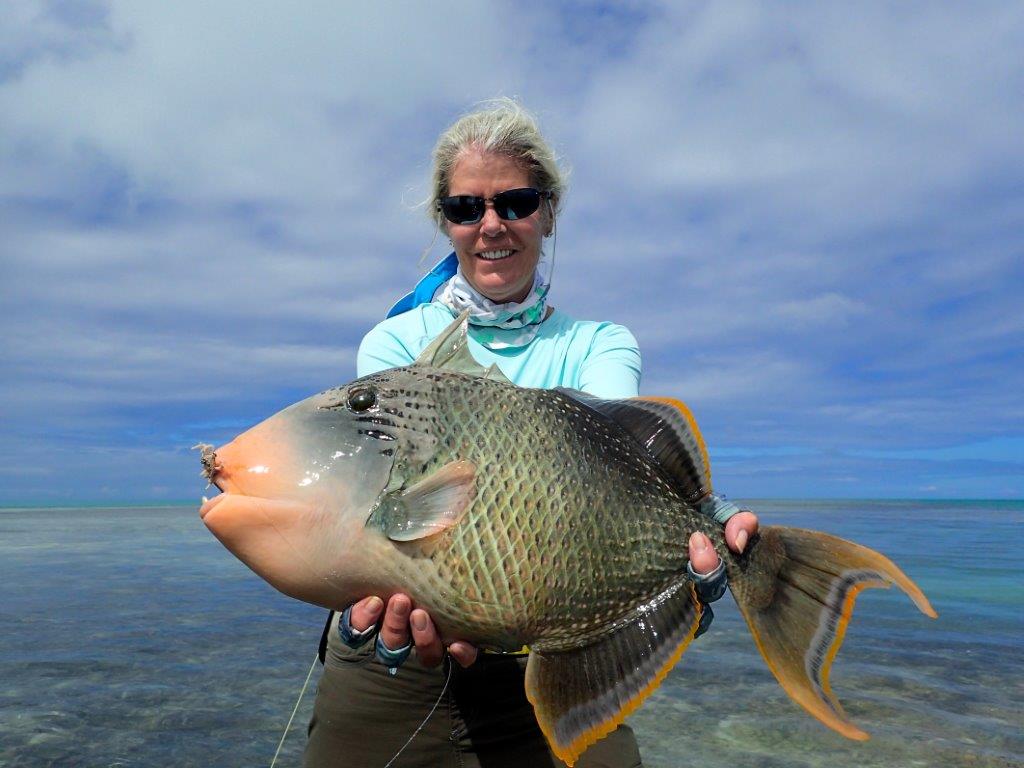
Of all the flats species, they are the most humbling. You can watch, breath held as a triggerfish inhales your fly … and then destroys it. Or spits it out. You can freeze, crouched over, slowly moving your fly and watch the fish charge down onto your twitching crab, only to turn away at the last minute.
They are not for the impatient or those who need results. They are not for the hero with a fly rod. They are for the angler who appreciates the end result, who understands subtlety, who is prepared to work hard and most importantly, who understands that success will be hard won. Lead the fish by at least a metre, never less. Let your crab or shrimp settle, the current moving it towards the fish. If the triggerfish changes direction, lift very gently and cast again. Put the fly on the water like thistledown, let it sink and watch the current move it. A gentle strip, a small tweak, keep contact with your fly and, if the fishing gods are on your side, be prepared. The take is rarely hard or violent. You may feel a small pluck but most of the time you won’t feel a thing so it is essential to strip set if the line tightens or you feel anything at all.
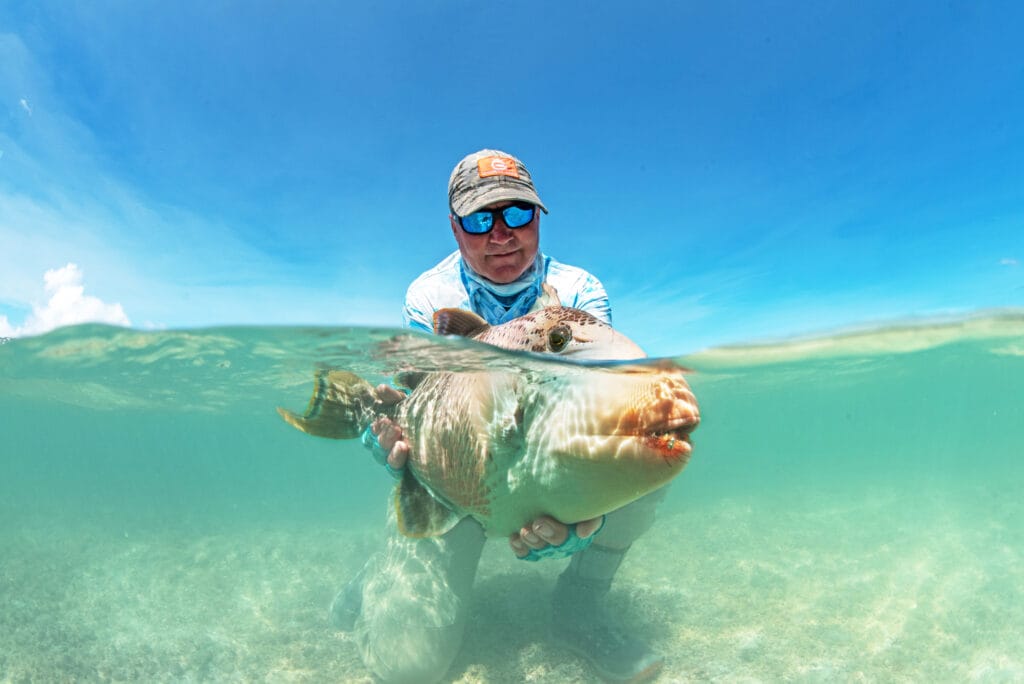
Brace yourself for the explosion. The power to size ratio of a triggerfish is completely out of proportion and, finally having hooked your fish, the chaos ensues and the dirty fighting begins. If there is coral, it will find it. If there is a hole to dive into, it will. If there is anything on the flat for it to rub the fly against and cut your leader, it will. If there is anything your line can wrap around, it will. If you survive those first few seconds, you have a chance of landing the fish. If you don’t, you will be left with either a severed line or a fly mangled beyond use. You will be crushed and humbled but the fire to succeed next time will be burning bright.
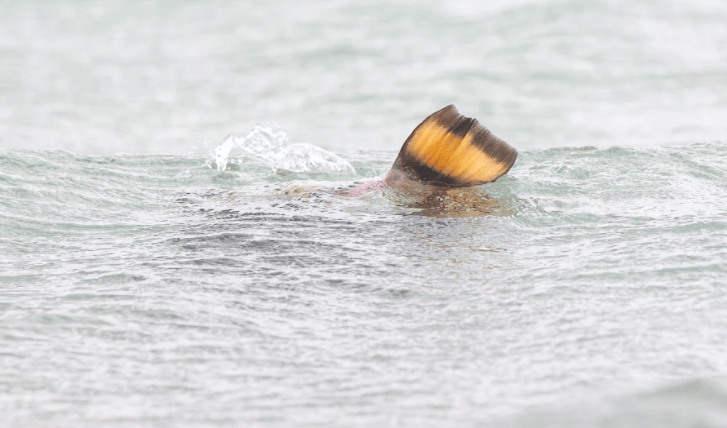
Triggerfish tend not to like a lot of water movement and often the best time to target them is when the water is from shin to knee height.
Species targeted on fly are found in Australia, Maldives, Mauritius, Seychelles, Sudan (titan and yellowmargin triggerfish) and throughout the Caribbean with key locations being The Bahamas, Honduras and Belize (oceanic triggerfish).
To discuss triggerfishing ideas, please contact Charlotte Chilcott or Peter McLeod or call the office on +44 1980 847389.
About the author: Charlotte Chilcott