
Much like salmon fly fishing, the pursuit of sea trout is etched into the history of British anglers. This species has earned an almost mythical reputation for being, sensitive to conditions, and prone to sudden changes of mood that can test even the most patient fisher. Though they are, of course, sea-run brown trout, their time in the salt gives them strength and stamina far beyond that of their river-resident cousins. When hooked, they respond with explosive aggression, producing savage takes, acrobatics, and long, defiant runs that leave tackle and nerves equally strained. While much of our sea trout fishing at home has traditionally centred on the small hours beneath moonless skies and a dense veil of darkness, farther afield there are rich opportunities to pursue this great and sometimes enigmatic fish in daylight.
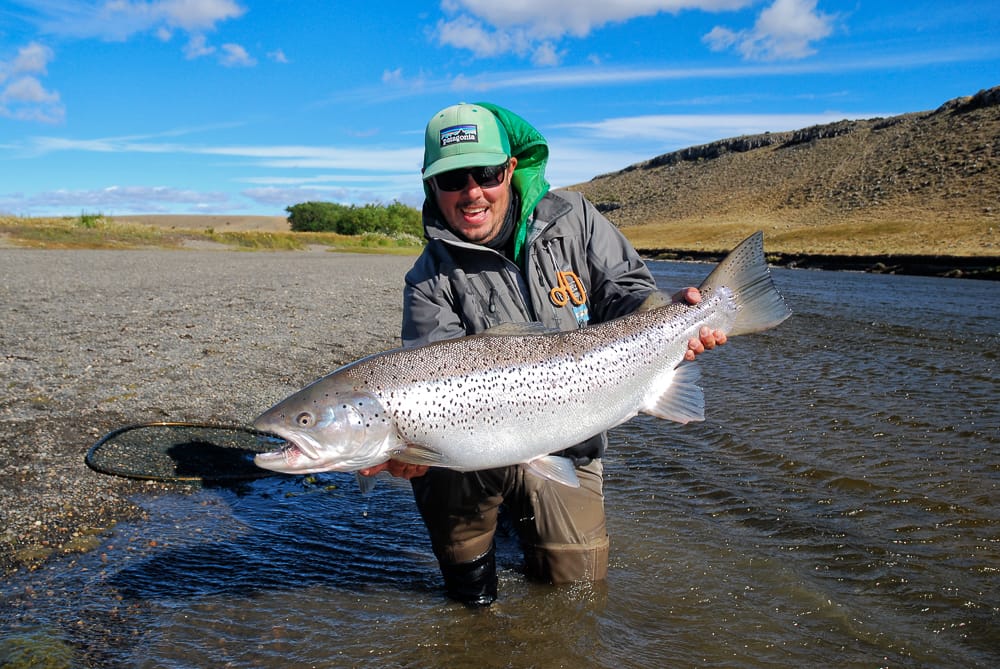
Sea trout inhabit rivers across Iceland, Norway, Sweden, Denmark, the United Kingdom, Ireland, New Zealand, Tasmania, the United States, Canada, Chile, and Argentina. Scandinavia and Argentina in particular stand out as destinations capable of producing exceptional fishing for this naturally cautious species. Unlike salmon, which undertake vast ocean migrations, sea trout tend to remain closer to their native coasts, feeding in fertile inshore waters where food is abundant and competition is limited. Local productive environments in parts of Iceland, Sweden, Norway, and Patagonia have allowed them to grow to impressive proportions, developing thick shoulders, deep flanks, and the kind power that commands respect once felt through the line.
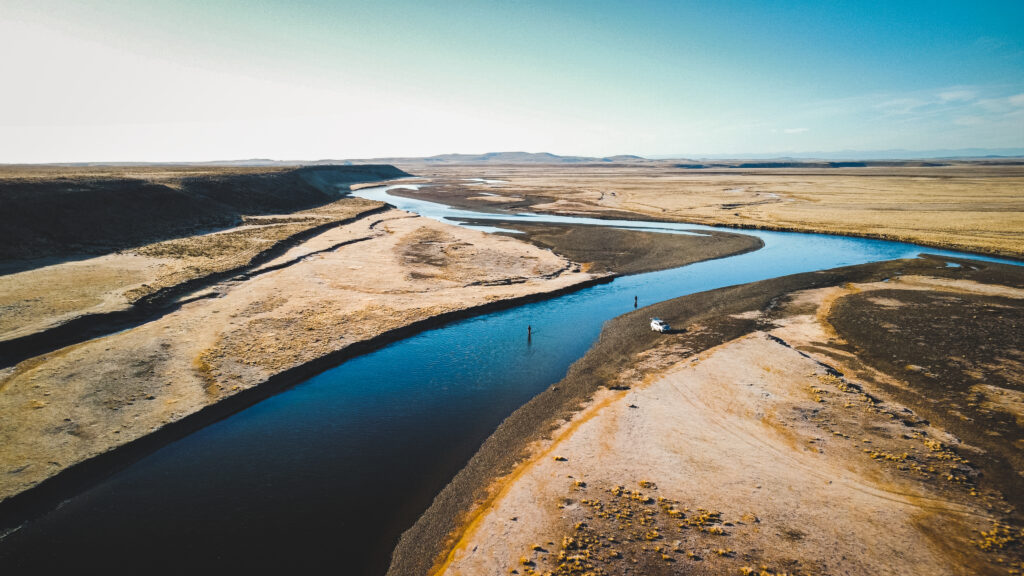
Despite their size, these fish are often tempted with surprisingly small flies, and success usually depends on a thoughtful, precise, and delicate approach. Presentation matters as much as pattern; angle, speed, and depth can mean the difference between indifference and a violent take. This is not a pursuit for those who rely on chance. Sea trout demand intention, observation, and restraint. Yet when the moment comes, subtlety gives way to chaos. Even with the smallest fly, a take can be so abrupt and forceful that rod and line seem almost wrenched from your grip. They surge, twist, and tear line from the reel, sometimes tail-walking across the pool in flashes of silver and spray. Bringing one to the net is never routine, and doing so on fine tackle with modest patterns only heightens the drama and satisfaction.
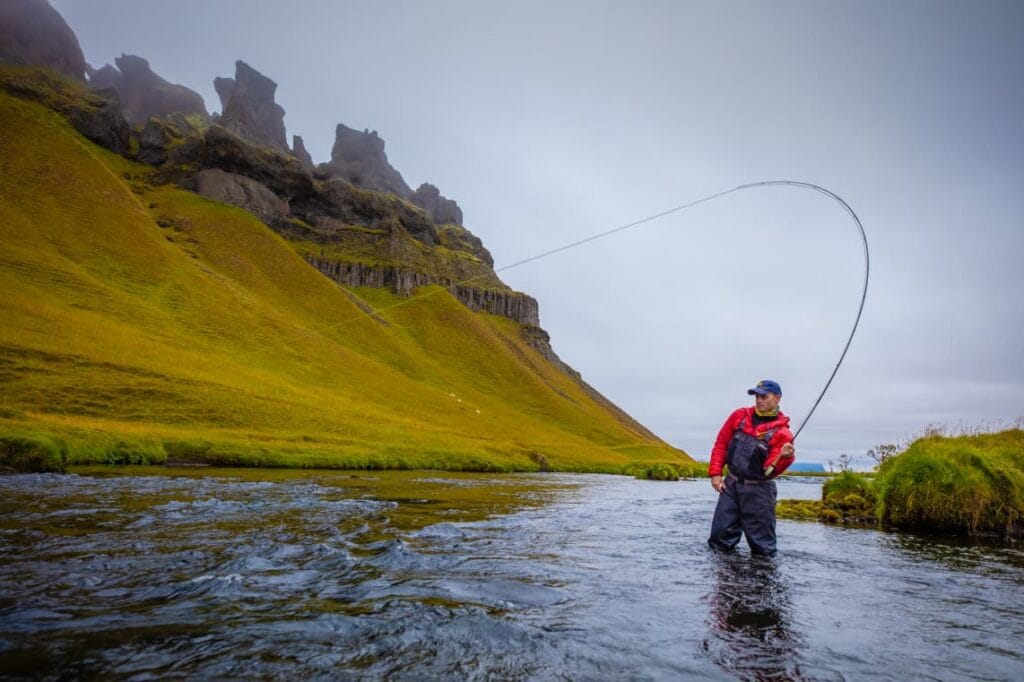
Although many large sea trout can be successfully targeted during daylight hours in Scandinavia and Argentina, seasoned anglers know that the true magic often begins as the light softens and fades. In that quiet transition between day and night, these wary fish move from the security of deep holding areas of the pool into shallower water. Each cast into the gathering dusk carries a heightened sense of anticipation, as though the river itself is holding its breath. Fish roll and show, their broad backs and shoulders briefly breaking the surface before vanishing again into shadow.
This is heart-in-mouth fishing, the distilled essence of the entire day condensed into a short, charged spell when every sense is sharpened and every movement feels deliberate. The world narrows to the swing of the fly, the tension of line, and the expectation of impact. Then, without warning, it happens: a jolt, a surge, and the reel erupts as a sea trout bolts like a terrier straining against its leash. In that instant, time is suspended, and the angler is reminded exactly why this remarkable fish has inspired such reverence, obsession, and storytelling for generations.