
Trout occupy a unique place in the world of fly fishing, not just as a target species, but as the fish that shaped the culture, craft, and spirit of the sport. Ask most anglers where their journey began, and the answer is almost always the same: on a trout stream. Browns and rainbows are the gateway, the benchmark, and the lifelong obsession.
Part of their magic lies in their homes. Trout thrive in clear, cold, oxygen-rich water. Rivers and lakes that feel alive, where the light shifts across polished stones and the current sculpts every bend. To fish for trout is to immerse yourself in these places: mountain valleys, spring creeks, forested freestones, and the remote meanders of the lower reaches. Their environments demand presence and reward attention, turning every step into an act of reading the water.
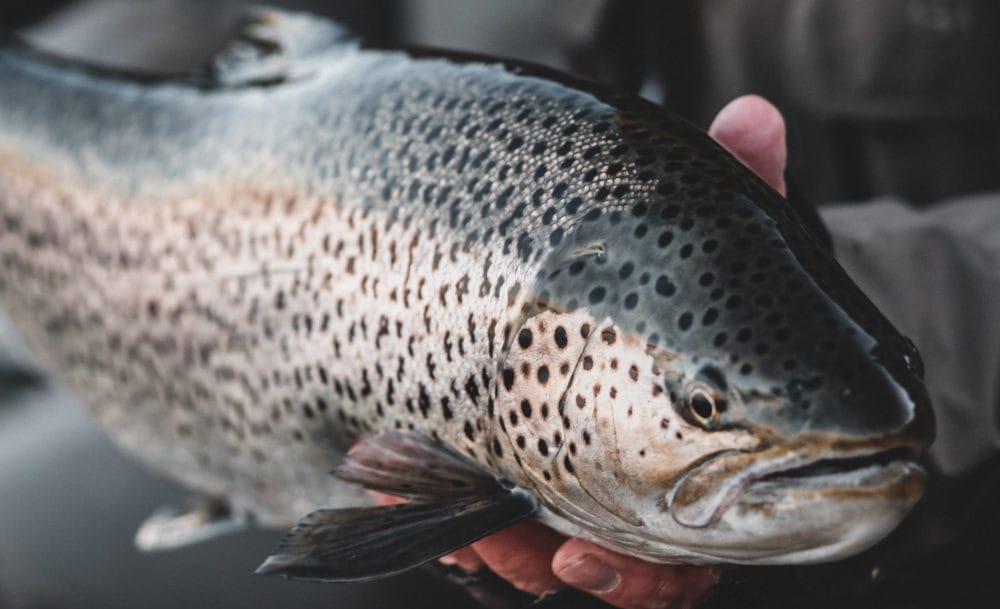
Trout are also the species that made fly fishing what it is. Their feeding behaviour, especially their devotion to insects, shaped the development of artificial flies, casting styles, and river craft. Matching a hatch, choosing the right nymph, or delivering a dry fly with just the right drift is a dance that trout perfected and anglers continue to learn. Few fish require such precision paired with such imagination.
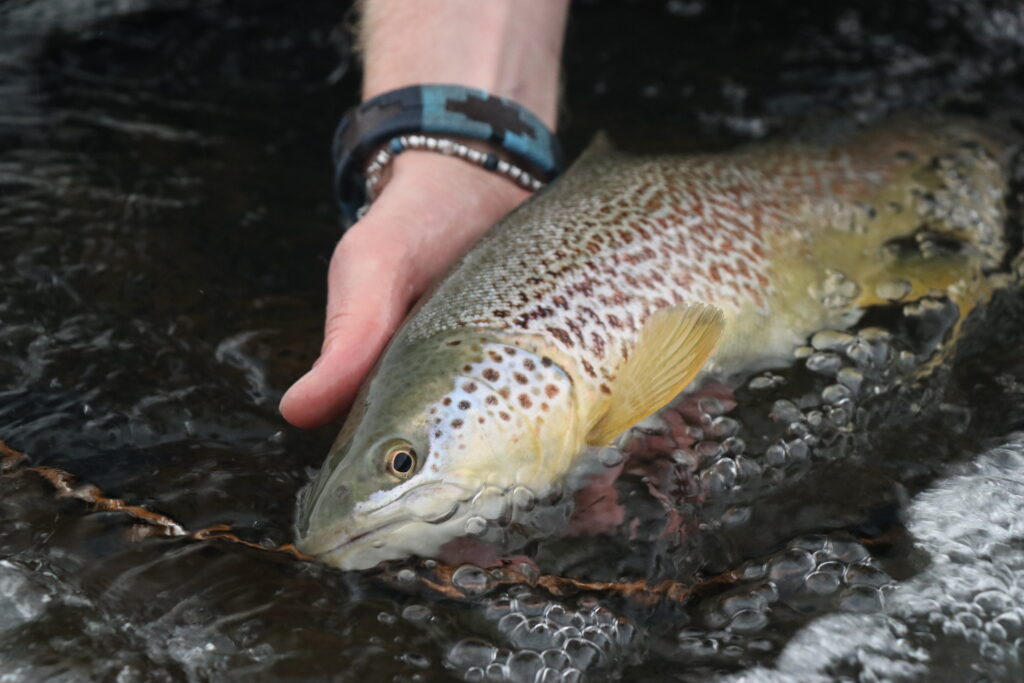
Browns and rainbows each bring their own allure. Brown trout are wily, selective, often maddeningly clever and represent the cerebral side of fly fishing. They reward stealth, cunning, and the quiet satisfaction of getting everything right.
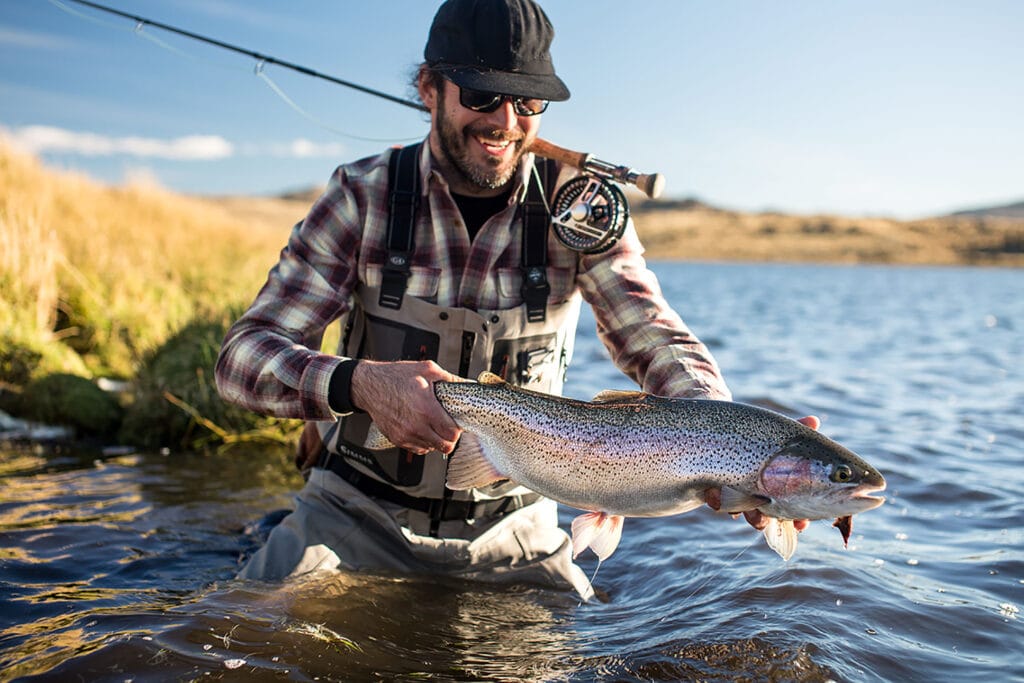
Rainbows, on the other hand, embody energy and athleticism. They take boldly, fight hard, and leap with electric speed, bringing a sense of exhilaration to every encounter. Together they offer a breadth of experience that keeps trout anglers coming back season after season.
Marble trout are among the most visually striking and geographically distinct of all trout species. Native to the Adriatic drainages of Slovenia, Italy, and the western Balkans, they are defined by their pale, milky bodies overlaid with bold, marbled vermiculations instead of spots. Fishing for marble trout is often as much about place as species: emerald rivers flowing through limestone gorges and alpine valleys, where stealth and respect are paramount.
Zebra trout are a rare and highly localized form of brown trout found exclusively in the Pyrenees, straddling the border between France and Spain. Named for their bold, dark vertical parr-like markings that persist into adulthood, these trout are as distinctive as the landscapes they inhabit.
Cutthroat trout carry both ecological and historical significance in North America. Recognizable by the distinctive red or orange slash beneath their jaw. Whether stalking wary Yellowstone cutthroats sipping mayflies or casting to coastal sea-run cutthroat in tidal rivers, these fish connect anglers directly to the roots of Western fly fishing.
And yet, beyond skill and challenge, trout simply inspire affection. Their colours are living art: burnished gold, rose and silver, peppered with constellations of spots. Holding a healthy trout in cold water, watching it slip back into the current, is one of the sport’s most grounding rituals.
Trout also anchor a global conservation ethic. Because they require pristine water, their presence is a testament to healthy ecosystems, and their decline a call to action. Fly anglers have long been advocates for river protection, habitat restoration, and sustainable management, making trout not just a quarry but a cause.
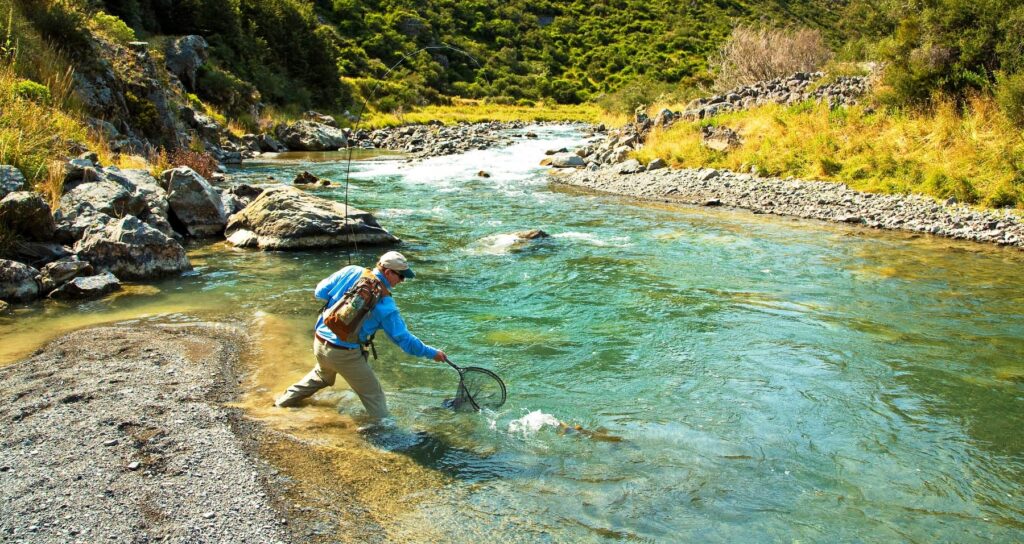
For travellers seeking the essence of fly fishing, trout are the universal touchstone — challenging, beautiful, and endlessly rewarding. To pursue them is to join a tradition shared across continents, where every cast carries both history and possibility.
Trout are found in the pristine, cool waters of some of the most beautiful destinations on earth, including:
New Zealand, Argentina, Chile, Iceland, Canada, Italy, Spain, Austria, Bosnia, Slovenia, Croatia, UK, Finland, the USA, and Australia.
To discuss trout fishing ideas, please contact Alex Jardine or Alistair Routledge or call the office on +44 1980 847389.
About the author: Alistair Routledge